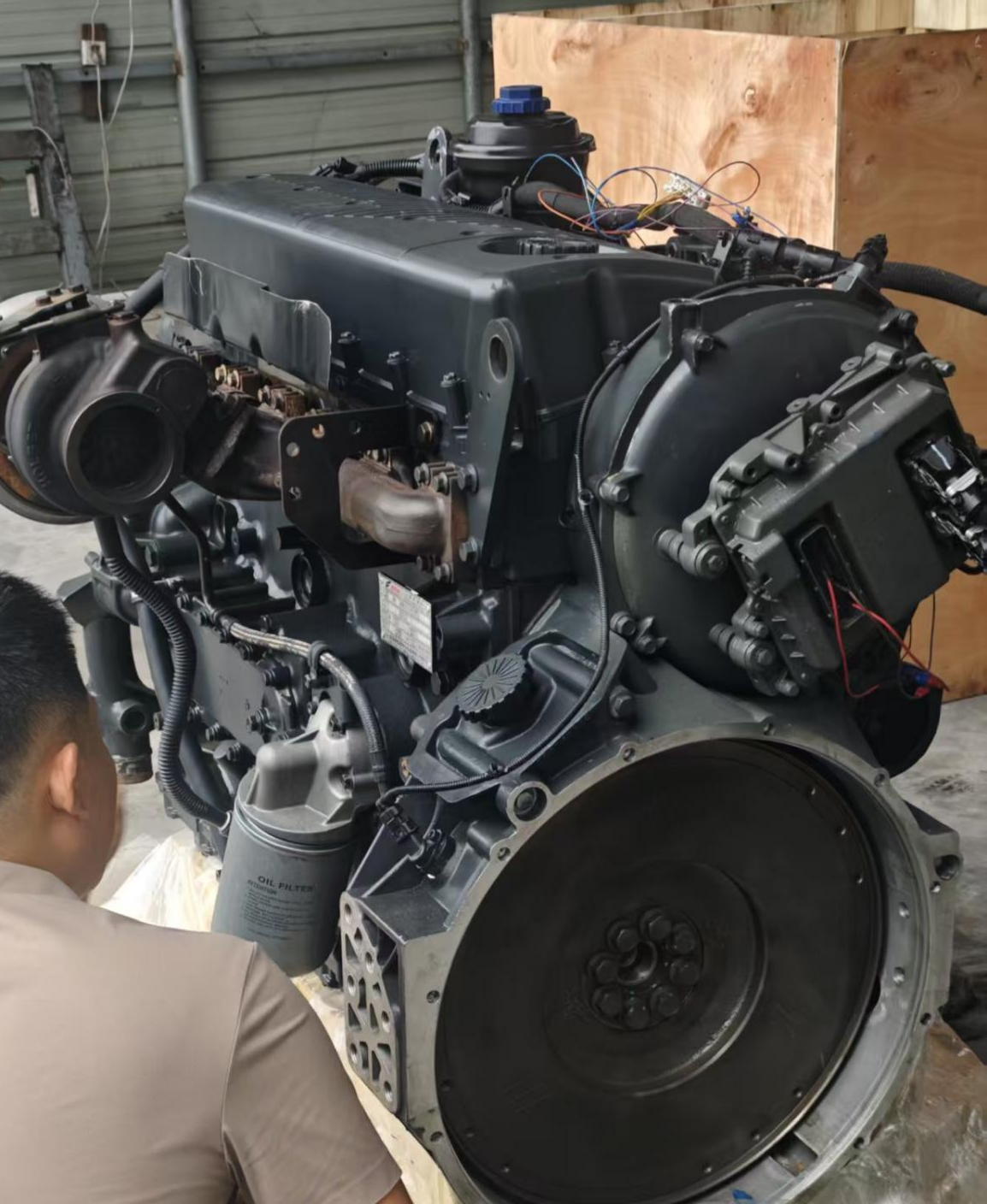
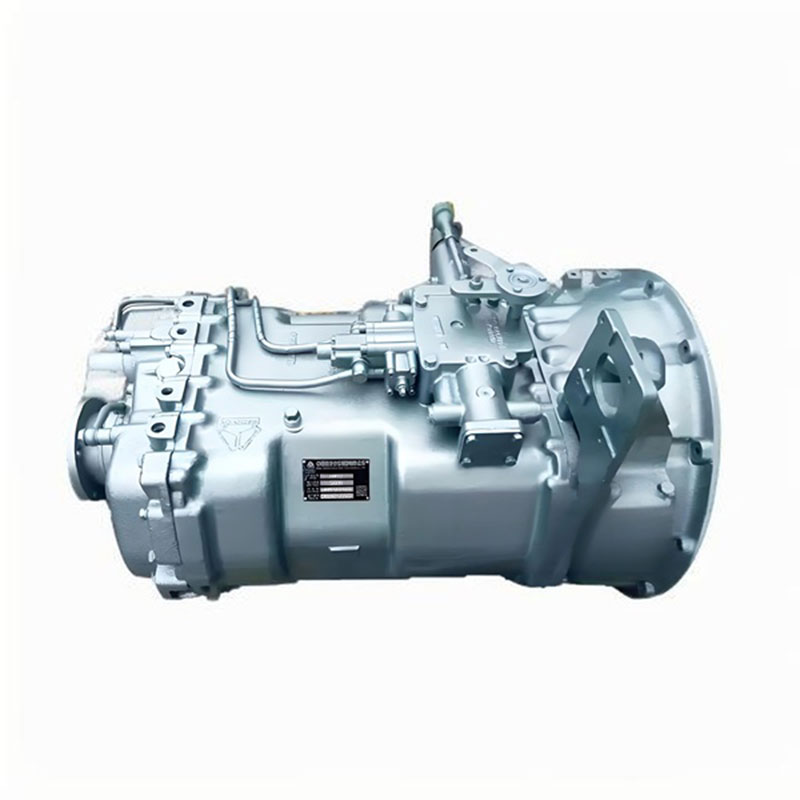
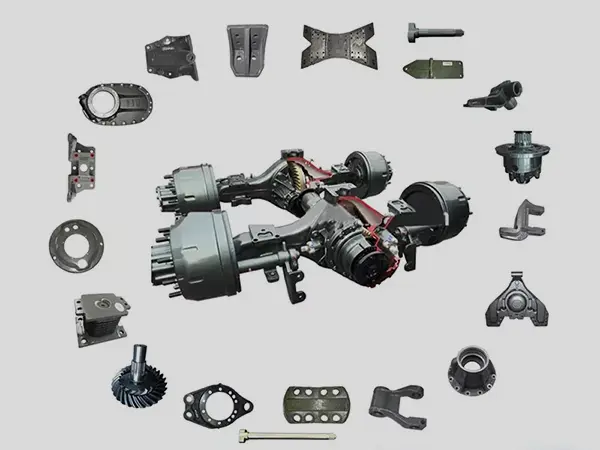
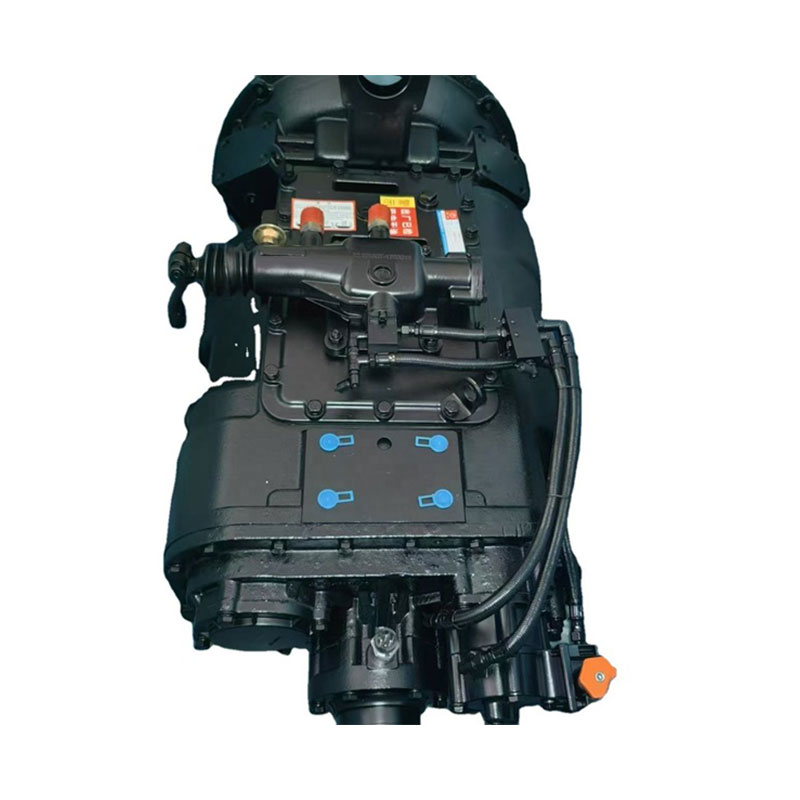
Skyond is a China-located manufacturer and supplier of heavy-duty truck parts with over 15 years of experience serving the commercial vehicle aftermarket and wholesale sector. Our core product lines include engine parts, Gearbox, braking systems, and chassis parts etc. Within our engine system portfolio, it plays a critical role in the Front End Accessory Drive (FEAD) system. We also supply
Gearbox components and
Turbocharger systems that complement our engine parts offering, providing fleet operators and repair shops with a comprehensive source for Sinotruk truck maintenance. Products are exported worldwide to Africa, Russia, Southeast Asia, Central Asia, and beyond.
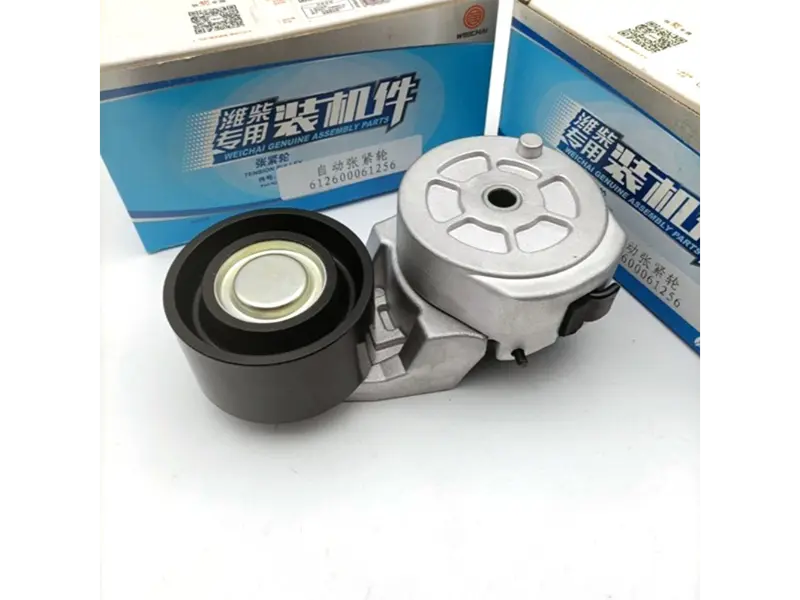
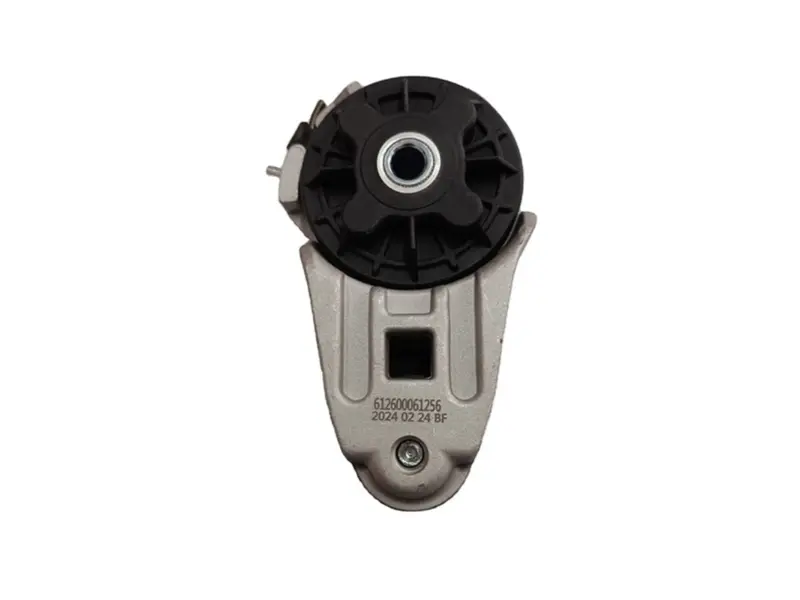
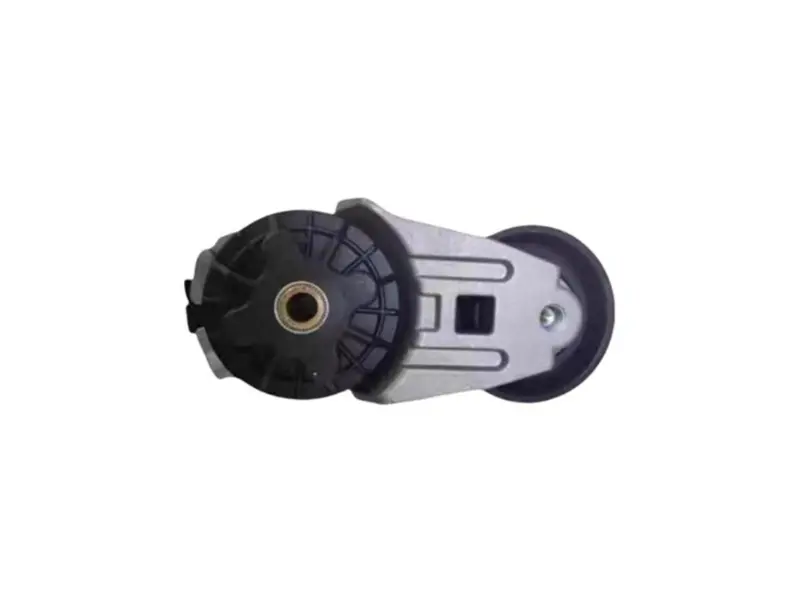
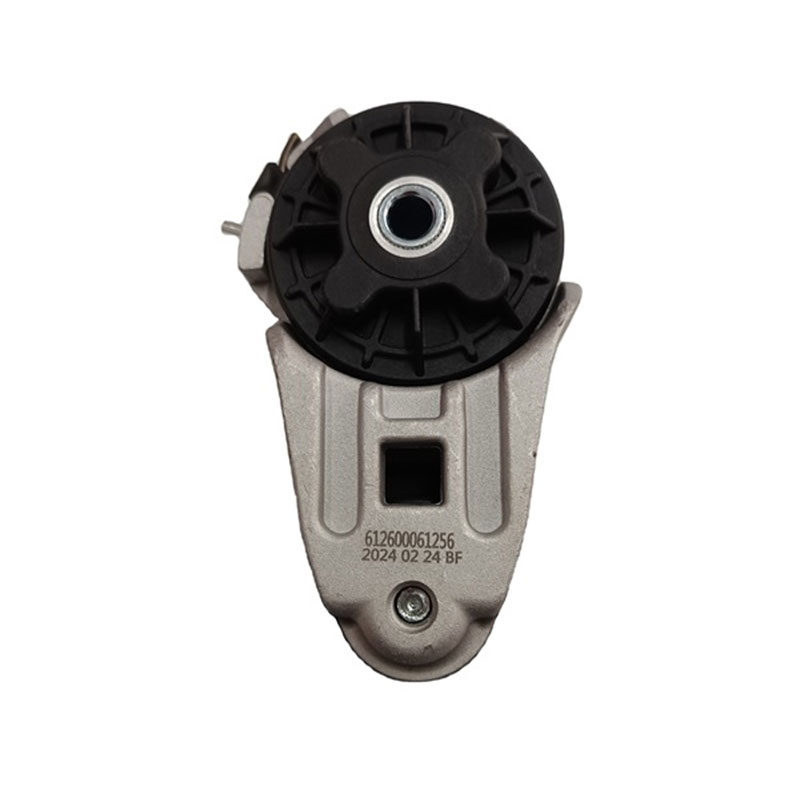
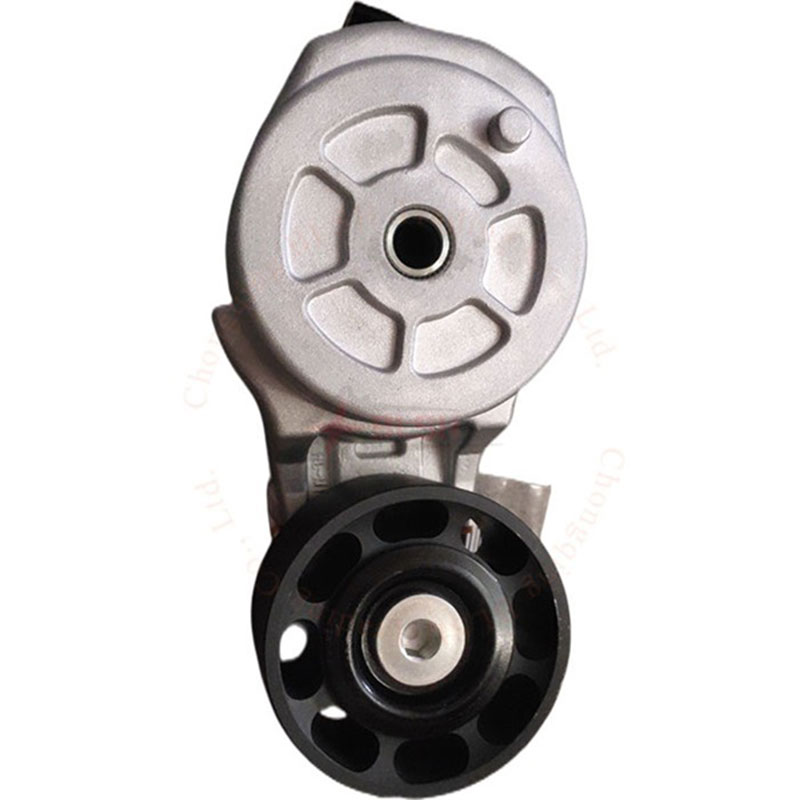
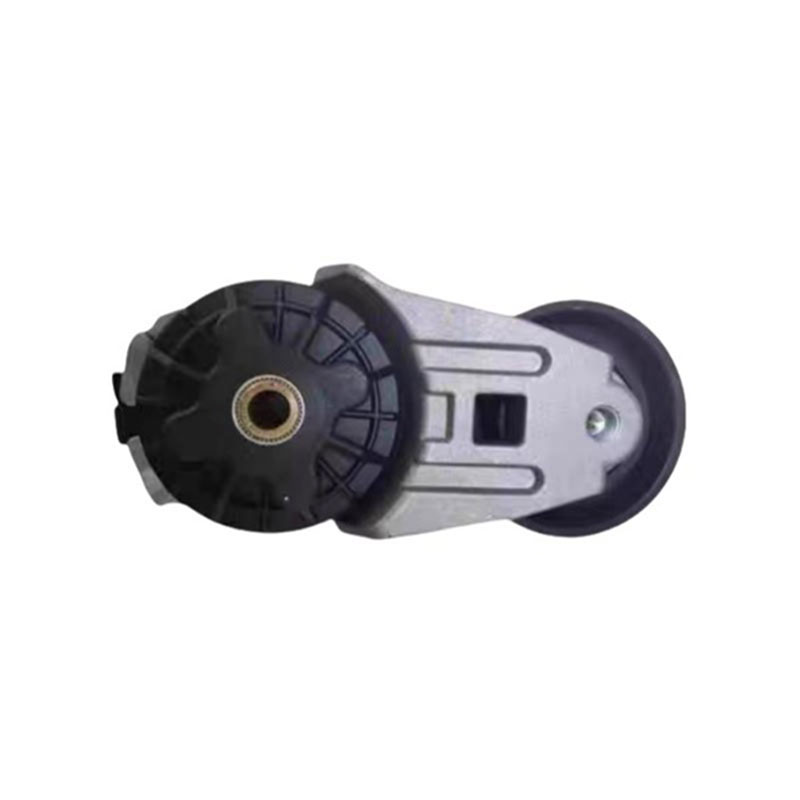
The Tension Wheel is an automatic belt tensioning component designed specifically for Sinotruk engines, including WD615, D10, D12, and MC series powerplants. It automatically adjusts belt tension to compensate for wear, stretch, and thermal expansion during engine operation. Constructed with a high-strength metal alloy upper section and a precision-engineered composite or steel pulley,it ensures consistent belt grip, reduces vibration, and prevents slippage. Every unit is manufactured in compliance with IATF 16949 and ISO 9001:2000 quality standards, with 100% factory inspection before shipment. Whether for routine replacement or emergency repair, Skyond's Tension Wheel delivers the reliability that heavy-duty fleet operations demand.
Product Features and Advantages
1. Automatic Tension Adjustment for Stable Belt Operation
Skyond Tension Wheel uses a built-in spring mechanism that detects belt elongation and compensates in real time, keeping belt tension within the optimal range at all times. Unlike fixed tensioners, it effectively prevents slippage, suppresses vibration and noise, and ensures long-term stability of the entire FEAD system.
2. Extended Service Life for Belts and Associated Components
Consistent tension control minimises belt wear while absorbing torsional vibration from the engine, protecting alternators, water pumps, air conditioning compressors, and other driven components from damage. For fleet operators, this translates to fewer repairs and lower maintenance costs.
3. Optimised Structural Design for Long-Term Durability
It has a high-precision wear-resistant bushing, double-row deep-groove ball bearings, and an optimised damping system, combined with dust seals that effectively block road grit and sand ingress. Even in complex conditions such as mining and construction sites, it maintains stable return performance and extended service life.
4. Maintenance-Free Design for Reduced Servicing Costs
It requires no regular greasing and no manual belt tension adjustment. Once installed, it manages tension throughout its entire service life automatically, significantly simplifying daily maintenance procedures and reducing inspection workload.
5. OEM Fitment for Easy Installation
Manufactured to Sinotruk OEM specifications, with mounting holes and dimensions precisely matched to the engine. Simply remove the old unit and install the new one with no modifications or adjustments needed. This saves workshop installation time and eliminates rework caused by dimensional deviations.
What Does the Tension Wheel Do?
In a heavy-duty diesel engine, the Front End Accessory Drive (FEAD) system uses a single serpentine belt to drive multiple accessories like the alternator, water pump, power steering pump, air conditioning compressor, and fan. It maintains optimal belt tension automatically, ensuring each accessory receives consistent drive power.
Key functions:
Automatic tension adjustment. It uses an internal spring mechanism to apply constant pressure to the belt, compensating for natural belt stretch and wear over time. This maintains proper belt tension without manual adjustment.
Vibration damping. By maintaining steady tension, it reduces belt flutter and vibration during engine operation. This protects both the belt and the driven accessories from premature wear.
Slippage prevention. Consistent belt tension means the belt maintains adequate friction against each pulley. This prevents slippage that would otherwise reduce alternator output, water pump flow, or power steering assist.
Extended component life. A properly functioning it distributes load evenly across the belt and accessory bearings, reducing stress on individual components and extending the service life of the entire FEAD system.
Signs of a Failing Tension Wheel
The Tension Wheel typically provides reliable service for 60,000 to 100,000 kilometres, but like any mechanical component, it eventually wears out. Common symptoms include:
|
Symptom
|
What You Will Notice
|
|
Unusual noise
|
Continuous "squealing" or "chirping" sound from the engine bay, more noticeable at higher RPM. The noise may be a steady squeal (indicating insufficient tension) or an intermittent chirp (often caused by bearing wear).
|
|
Belt misalignment or flipping
|
The belt drifts off-centre on the Tension Wheel or flips over entirely. This is typically caused by worn bushings allowing the tensioner to misalign.
|
|
Belt slippage
|
Reduced alternator output (dimming lights), weak power steering, or overheating (reduced water pump flow). The belt loses friction against the pulleys.
|
|
Hard starting or rough idle
|
In severe cases, the engine may crank slowly or idle roughly due to insufficient accessory drive power.
|
Complete Product Testing
Functional testing. Each completed Tension Wheel is tested on a dedicated fixture to verify:
1. Spring tension within specified range
2. Bearing smoothness and absence of noise
3. Proper arm rotation and return
4. Belt tracking alignment
100% inspection. Every unit undergoes visual inspection and dimensional verification before packaging. No one leaves the factory without passing the full inspection protocol.
Certifications and Standards
Skyond maintains rigorous quality management systems across all manufacturing operations.
ISO 9001:2000 Quality Management. Our entire manufacturing and quality inspection workflow is certified under international ISO standards, ensuring consistent reliability for every batch of heavy truck accessories.
IATF 16949 Automotive Standards. Our products are manufactured in compliance with the highest international automotive industry quality standards, guaranteeing that every piece meets the rigorous durability requirements of global fleet operators and repair specialists.
GB/T 45016-2024 Compliance. Our products are tested in accordance with the national standard for engine accessory belt drive system automatic tensioner test methods, covering high-temperature durability, low-temperature durability, corrosion testing, contamination testing, and other critical performance metrics.
Replacement and Maintenance Recommendations
1. Recommended service interval. Inspect the Tension Wheel and associated belt every 60,000 to 100,000 kilometres. Many commercial vehicle OEMs recommend FEAD system inspection during oil changes, with full replacement around 300,000 miles.
2. Visual inspection. Check the Tension Wheel surface and belt for oil contamination, cracks, or unusual wear patterns. Oil-soaked belts lose friction and can cause premature tensioner wear.
3. Listen for noise. Any squealing, chirping, or grinding noise from the front of the engine should be investigated promptly. Noise often indicates bearing wear or insufficient tension.
4. Replace as a system. When replacing the Tension Wheel, consider replacing the serpentine belt and any idler pulleys simultaneously. Worn components accelerate wear on new parts.
Skyond's Complete Parts Portfolio
The Tension Wheel is one component within Skyond's broader engine system offering. We supply a comprehensive range of Sinotruk-compatible parts:
Engine system.
Fuel injection pumps, water pumps, oil pumps, turbochargers, and complete gasket kits.
Transmission.
Gearbox components, synchronisers, and clutch assemblies.
Braking system.
Brake pads, drums, air dryer cartridges, and valves.
Chassis and suspension.
Leaf springs, bushings, and steering components.
Maintenance items.
Filters (oil, fuel, air), belts, and tensioners including the Tension Wheel here.
For fleet operators and repair shops, sourcing from a single supplier reduces procurement complexity and ensures parts compatibility across the vehicle.
FAQ
Q1: Which engines and vehicles is the Tension Wheel compatible with?
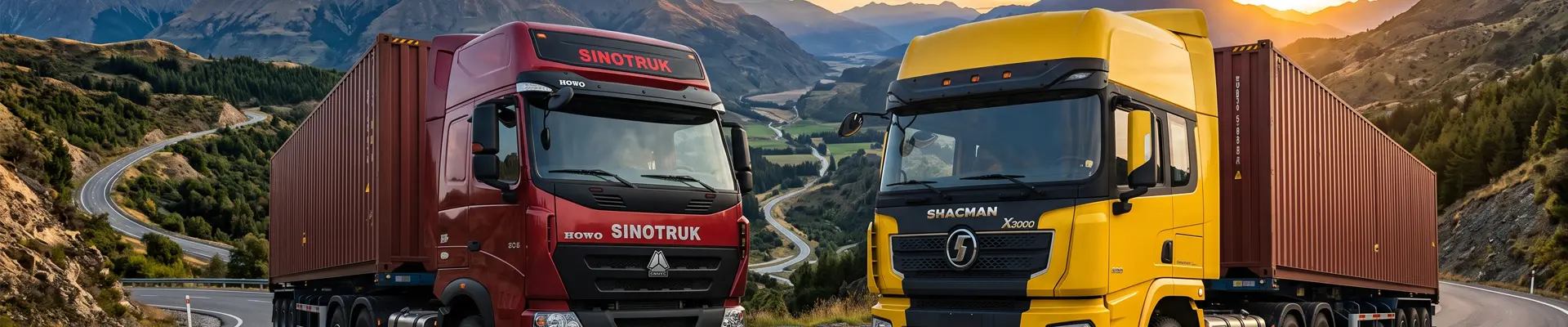
It is compatible with Sinotruk HOWO, HOWO A7, STEYR, and Shacman trucks equipped with Weichai WD615, WD618, WP10, WP12, WP13, and Sinotruk MC series engines.
Q2: How often should the Tension Wheel be replaced?
We recommend inspection every 60,000 to 100,000 kilometres and replacement when signs of wear appear. In demanding operating conditions such as mining, construction, or extreme temperatures more frequent inspection is advisable.
Q3: Can I replace just the Tension Wheel, or should I replace the belt too?
While it can be replaced independently, we recommend replacing the serpentine belt at the same time. A worn belt can accelerate wear on a new tensioner, and replacing both ensures the entire FEAD system operates at optimal performance.
Q4: What causes a Tension Wheel to fail prematurely?
Common causes include: belt tension set too high or too low; oil or coolant contamination of the belt and pulley; extreme temperature operation; and normal wear of the internal bearing and spring over time.
Q5: Does Skyond offer OEM customisation?
Yes. Skyond provides customisation services including part branding, custom packaging, and special specifications. Minimum quantities apply.
Q6: What is the warranty period?
Skyond provides a 3-month warranty on the Tension Wheel. If any quality issue arises within the warranty period, we repair, replace, or refund to your satisfaction.
Warranty Support
Skyond stands behind every Tension Wheel we manufacture. We understand that in heavy-duty trucking, unplanned downtime costs more than the part itself. Our warranty and after-sales program is designed to give fleet operators and repair shops confidence in every component we supply.
Warranty Coverage
Every piece supplied by Skyond carries a 3-month warranty from the date of shipment. This warranty covers manufacturing defects in materials and workmanship, including:
Spring mechanism failure. If the internal spring loses its calibrated tension or breaks during normal operation, we replace the unit.
Bearing failure. Premature bearing wear or seizure due to manufacturing defects is covered, provided the part has been installed correctly and operated under normal conditions.
Structural defects. Cracks, fractures, or deformation of the pulley, housing, or arm resulting from material or manufacturing faults are covered.
Seal failure. If the bearing seals fail prematurely, allowing contamination or lubricant loss, we cover the replacement.
What the Warranty Does Not Cover?
The warranty does not cover damage resulting from:
Improper installation: including incorrect torque, misalignment, or failure to replace worn mating parts
Normal wear and tear: components naturally wear over time
Contamination: oil, coolant, or chemical damage to the pulley or belt surface
Misuse or abuse: operation beyond the component's design limits
Consequential damage: damage to other vehicle systems caused by Tension Wheel failure