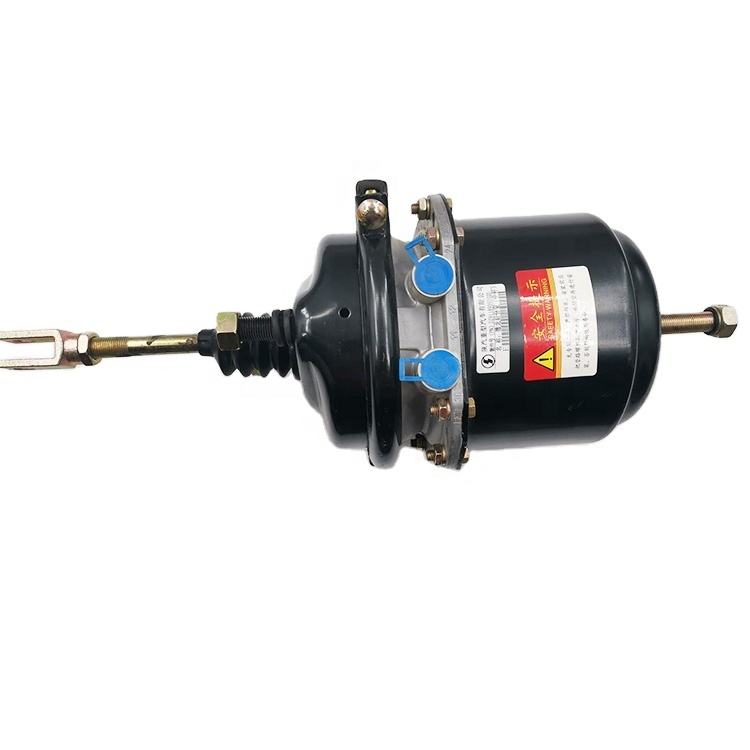
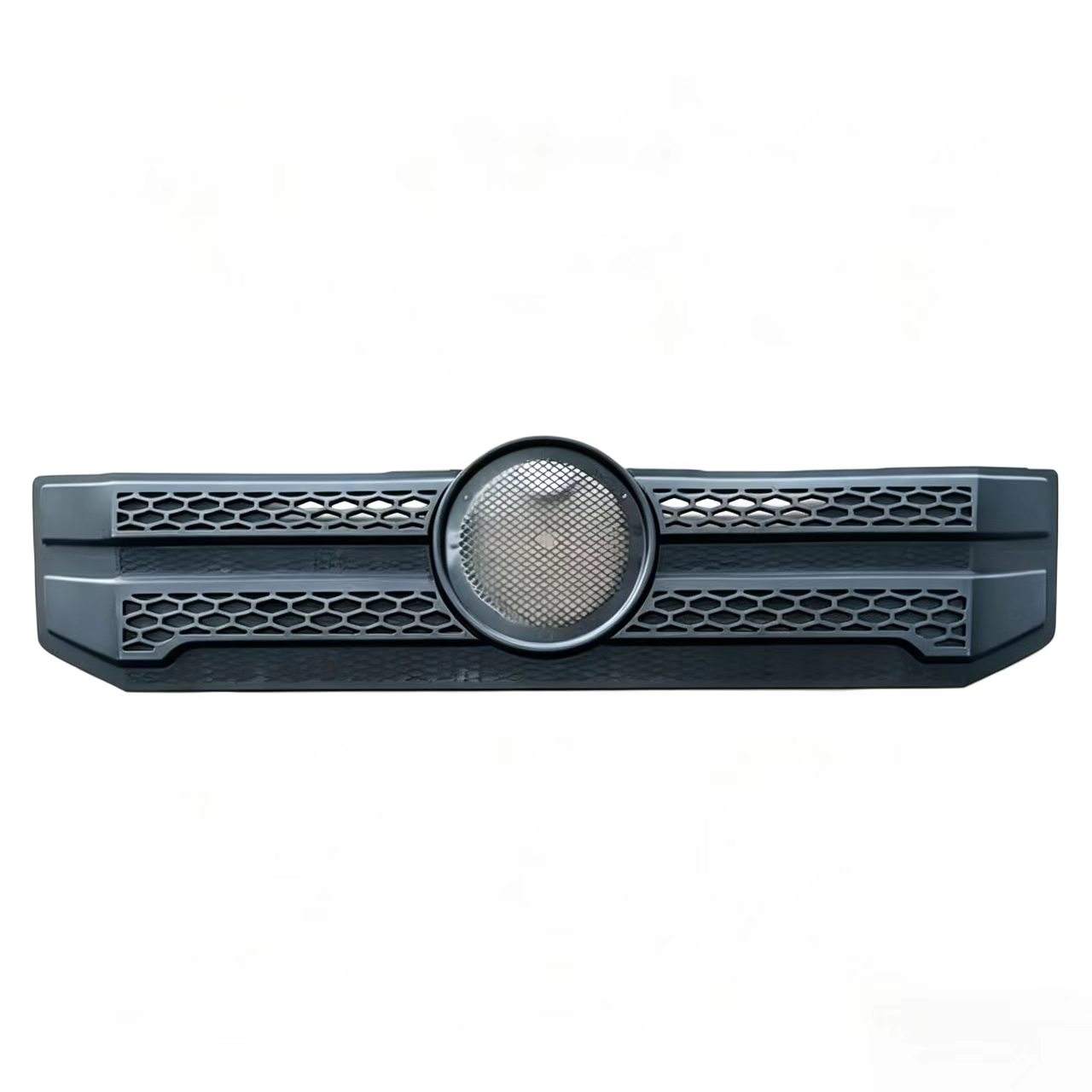
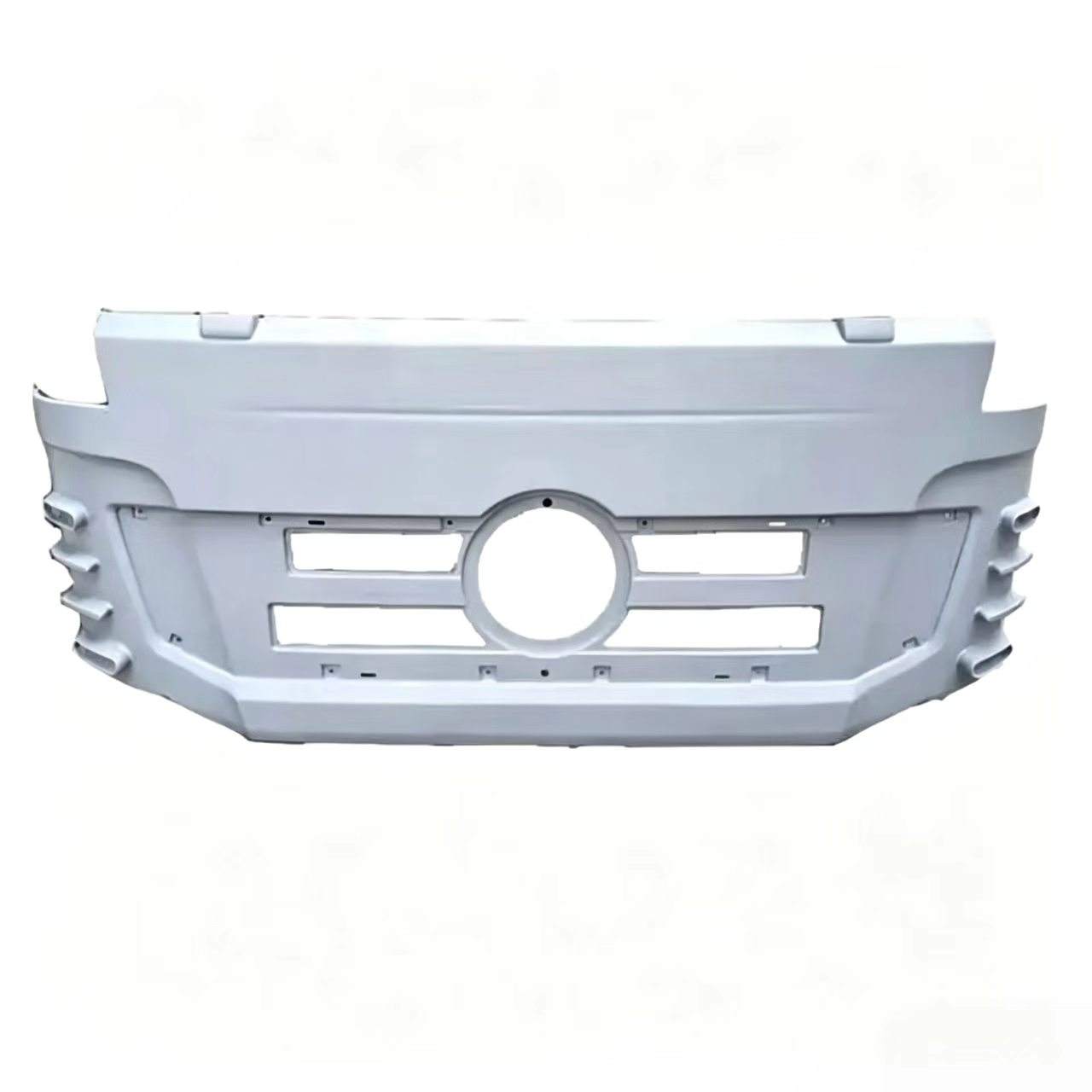
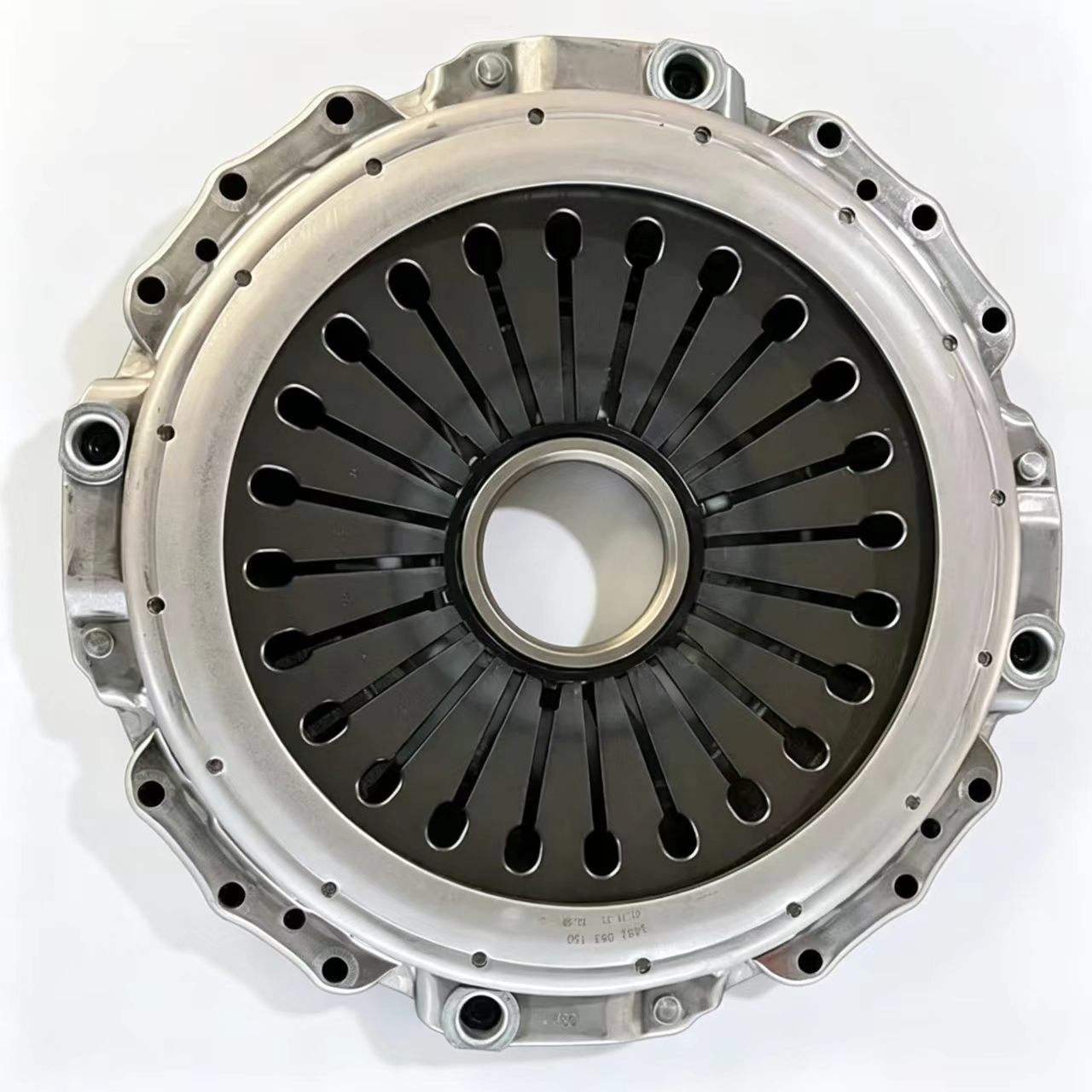
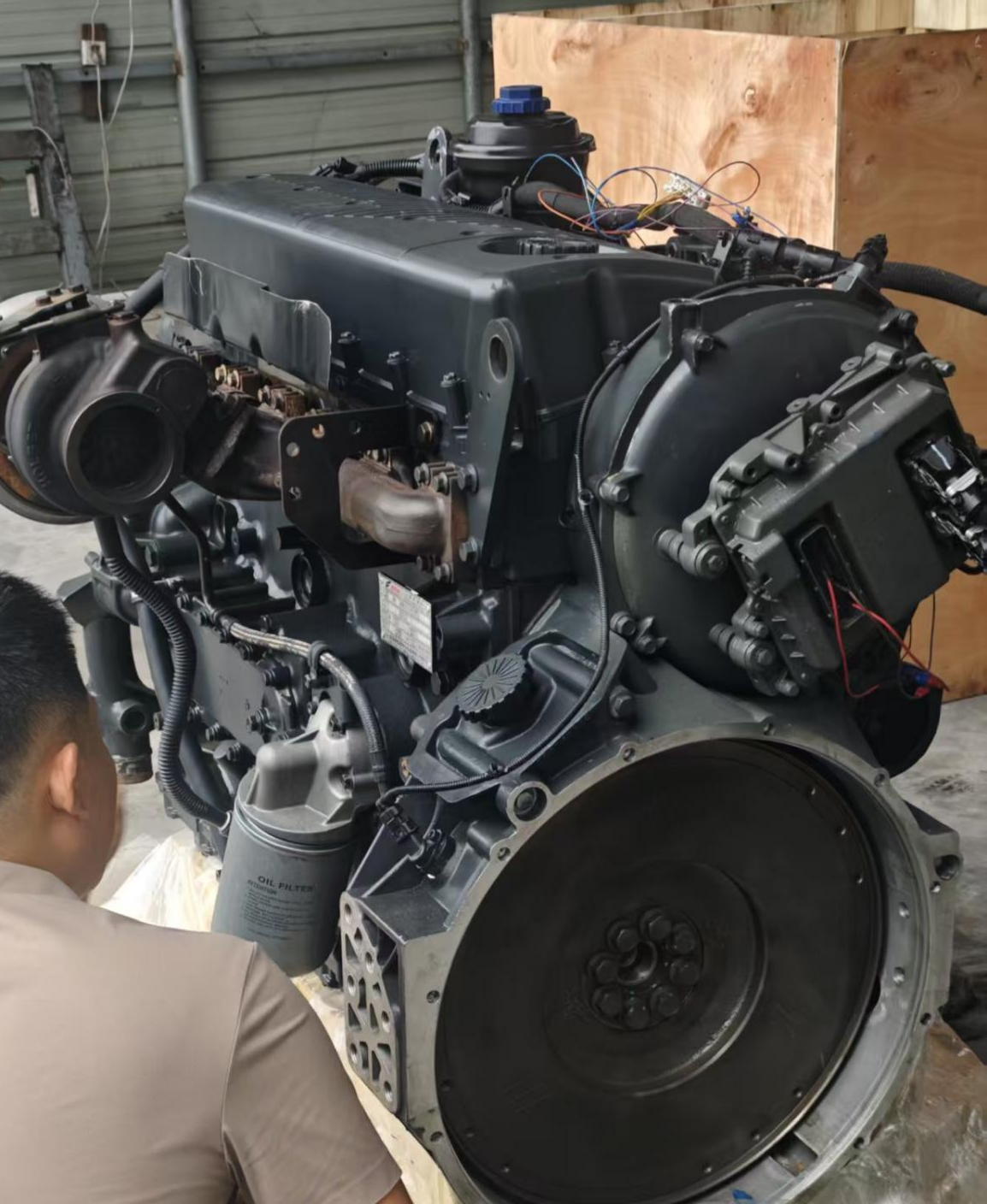
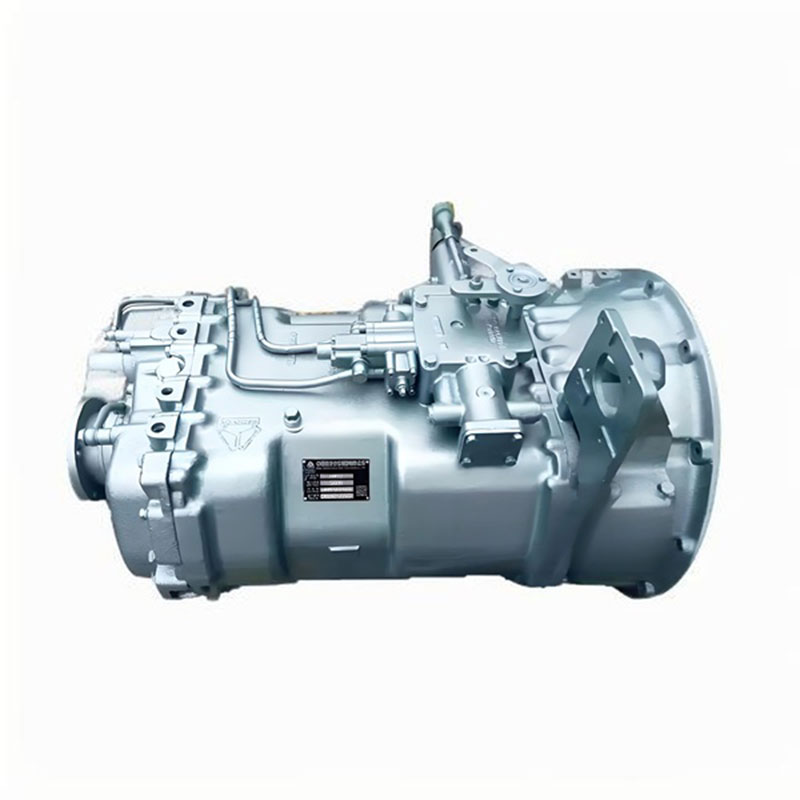
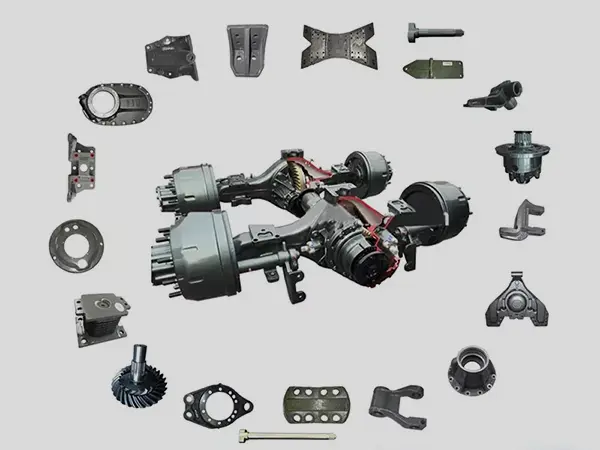
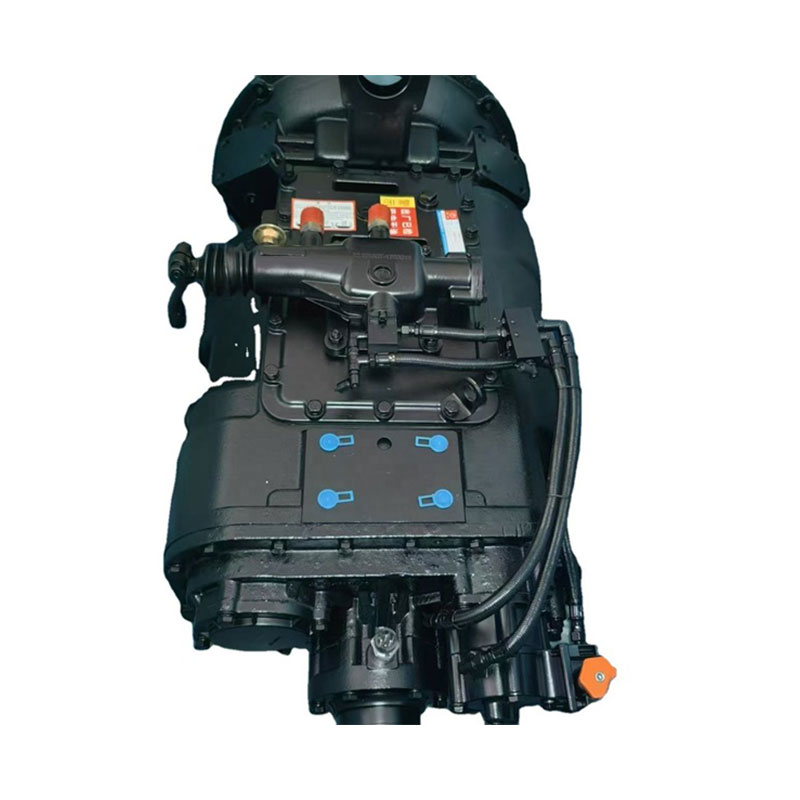
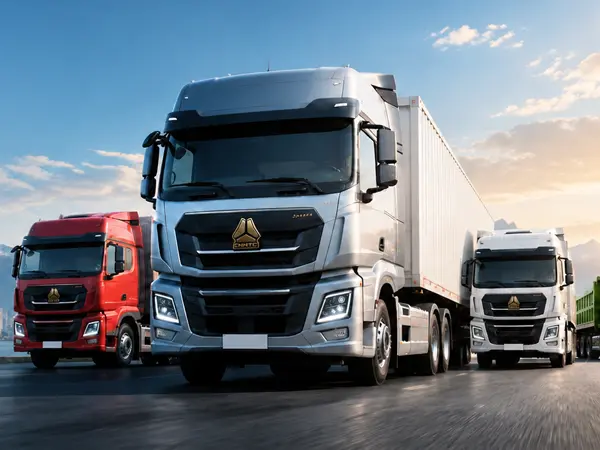
As a manufacturer and supplier from China, Skyond supplies heavy-duty truck parts with almost decades of experience serving the commercial vehicle aftermarket and wholesale sector. Within our engine system portfolio, it plays a critical role in the front-end accessory drive system, transferring crankshaft power to the alternator, water pump, air conditioning compressor, and fan. We also supply Gearbox assemblies and Turbocharger systems that rely on precise belt synchronisation for peak performance. Products are exported worldwide to Africa, Russia, Southeast Asia, Central Asia, and beyond. Beyond belts, our product range also includes Wheel Lug Nuts and Wheel Spacers, providing comprehensive coverage for wheel and chassis maintenance needs.
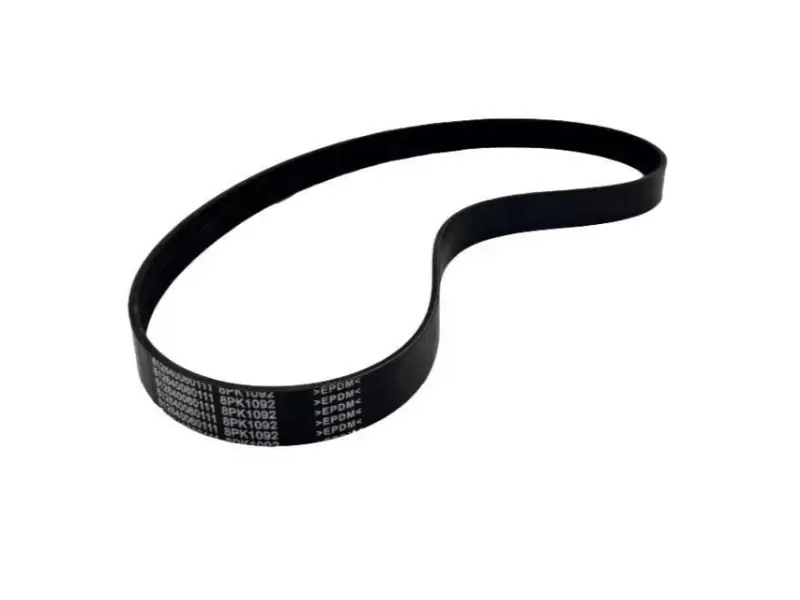
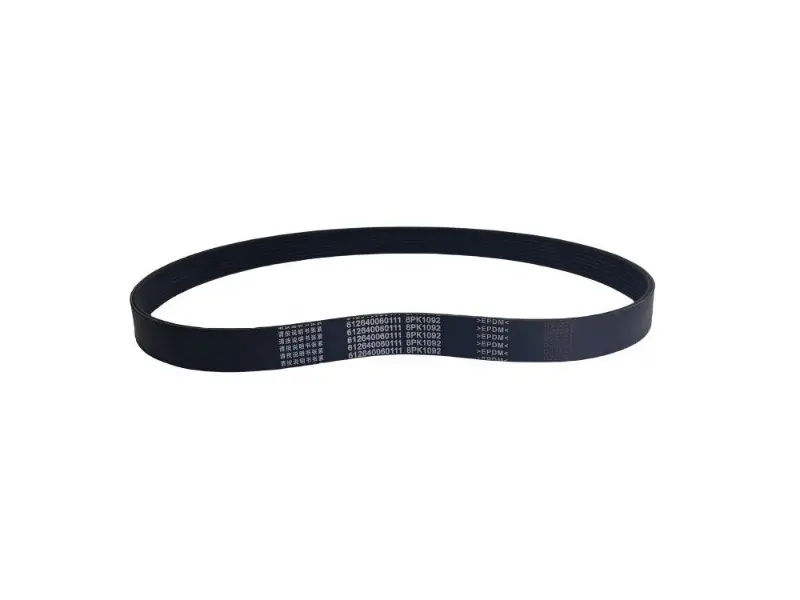
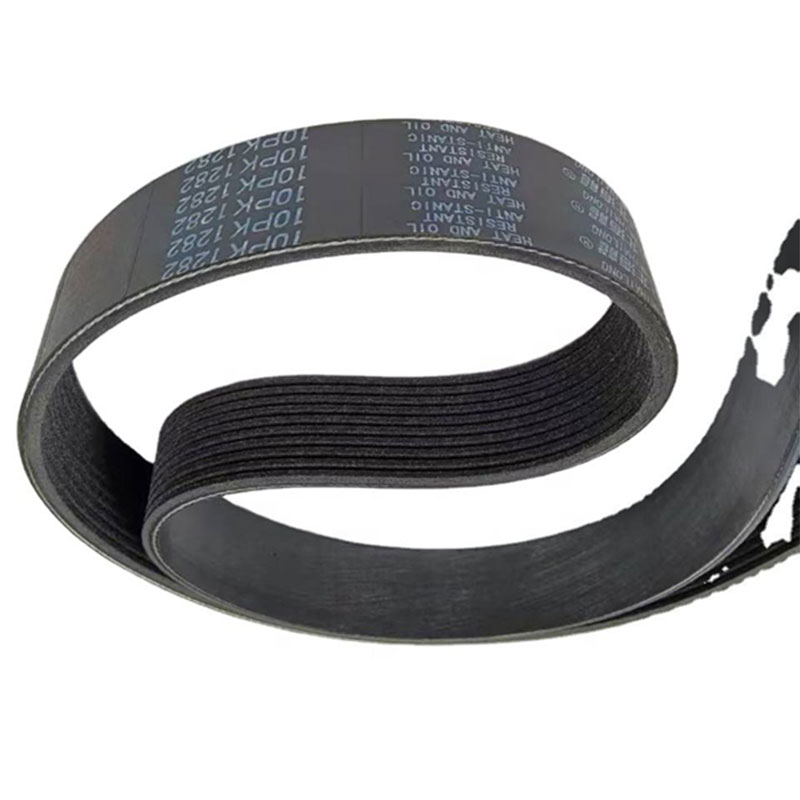
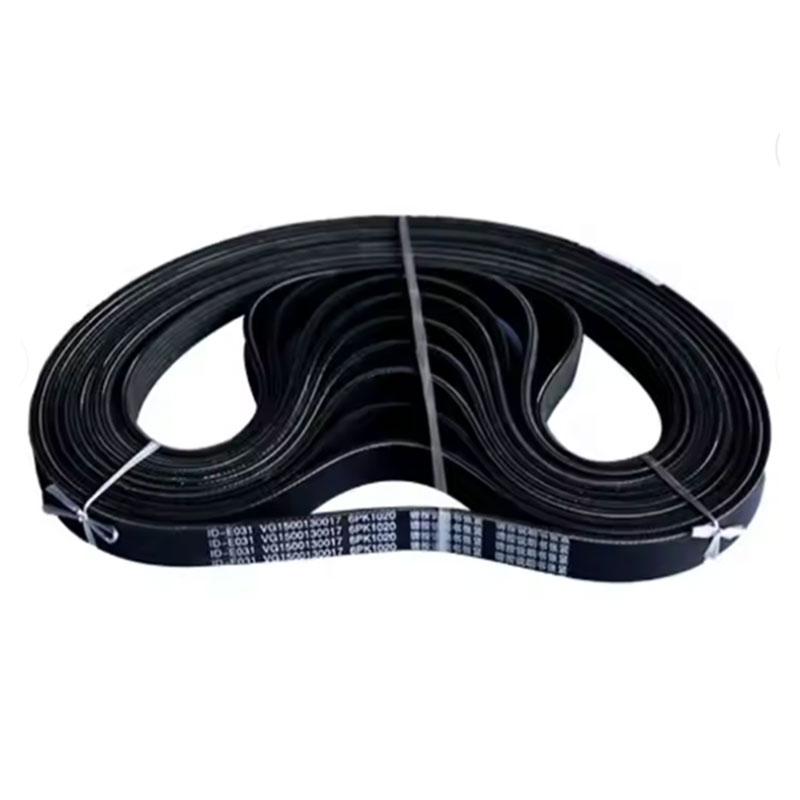
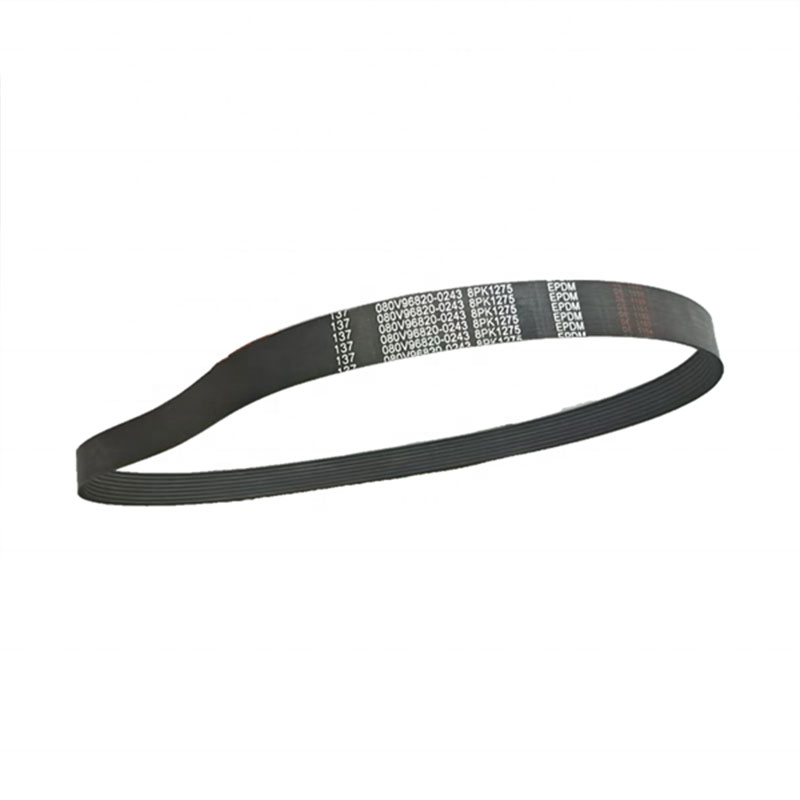
The Truck Belt is the core power transmission component in the Sinotruk engine front-end drive system. Compared to traditional V-belts, our multi-rib belts deliver higher power transfer efficiency, longer service life, and reduced vibration. Constructed from high-strength reinforced EPDM and synthetic rubber compounds, Skyond's product resists cracking, oil contamination, and extreme temperature fluctuations. Every belt is manufactured in compliance with ISO/TS 16949 and GB/T quality standards, with 100% tension and heat-resistance testing before shipment. Whether for the Sinotruk HOWO or Shacman X3000 series, Skyond's Truck Belt delivers the reliability that heavy-duty fleet operations demand.
What is the Truck Belt’s function?
In a heavy-duty diesel engine, the Truck Belt acts as the essential link that synchronises and powers the engine's external accessories. It is responsible for driving the alternator to keep the battery charged, operating the water pump to prevent engine overheating, and running the AC compressor for cabin comfort. A high-quality Truck Belt ensures that these systems work in perfect harmony, preventing catastrophic engine failure that can occur if a belt snaps or slips during high-speed operation or heavy-load hauling.
Multi-Rib Belt Advantages
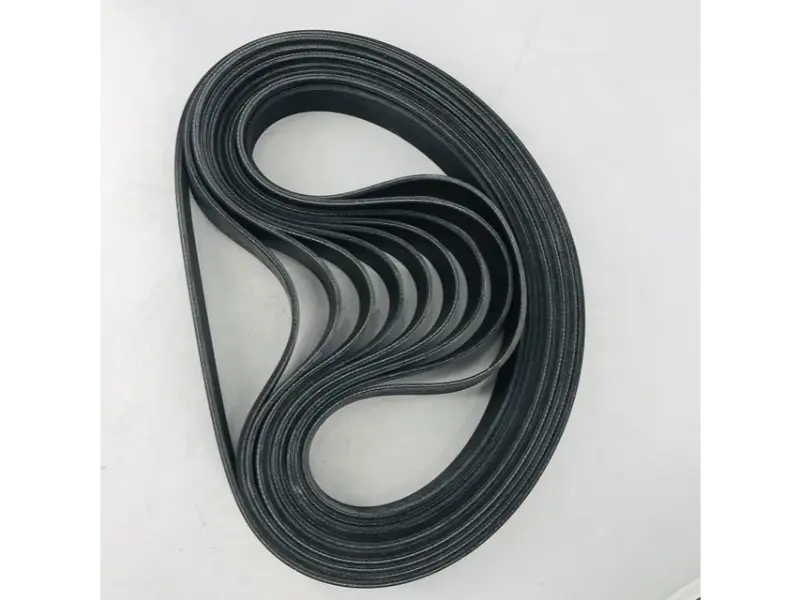
Skyond's Truck Belt adopts a multi-rib (serpentine) design, which offers several advantages over traditional V-belts.
Higher power transfer efficiency.
The multi-rib design provides a larger contact surface with the pulleys, enabling more efficient power transmission. This translates to better alternator output, consistent water pump flow, and reliable AC compressor operation.
Longer service life.
The multi-rib structure distributes load more evenly across the belt surface, reducing localised wear. Combined with premium EPDM materials, this significantly extends the replacement interval compared to conventional belts.
Reduced vibration and noise.
The multiple ribs engage the pulleys more smoothly, minimising belt flutter and the accompanying noise. This contributes to a quieter cabin environment and reduced stress on accessory bearings.
Single-belt system simplicity.
A single multi-rib one drives multiple accessories simultaneously, simplifying the front-end accessory drive layout and reducing the number of components that require maintenance.
EPDM Superiority as Material
Skyond's Truck Belt is manufactured from premium EPDM (ethylene propylene diene monomer) rubber, a material specifically chosen for its performance in different engine environments.
1. Heat resistance. EPDM maintains its mechanical properties at elevated operating temperatures. This prevents the belt from softening, stretching, or degrading under the high under-hood temperatures common in heavy-duty diesel engines.
2. Oil and chemical resistance. EPDM resists swelling and deterioration from oil, coolant, and other engine fluids. This is critical in heavy-duty applications where fluid leaks are more common than in passenger vehicles.
3. Weather resistance. EPDM is inherently resistant to ozone, UV radiation, and moisture. This ensures the it performs reliably in diverse climate conditions — from the intense sun of Africa and the Middle East to the cold, humid environments of Russia and Central Asia.
4. Low wear characteristics. The material formulation includes wear-resistant additives that reduce friction and abrasion, extending the service life of both the belt and the pulleys it contacts.
Installation and Maintenance
Daily pre-operation inspection.
Before each trip, check the Truck Belt for signs of uneven wear, cracking, peeling, or fraying. Early detection of belt damage prevents roadside breakdowns and costly engine damage.
Tension is automatically maintained.
It is tensioned by an automatic tensioner (see our Tension Wheel product line). No manual tension adjustment is required — the tensioner compensates for belt stretch over time.
Replacement procedure.
When replacing the it, use a wrench to rotate the tensioner bolt to the stop position, remove the old belt, install the new belt confirming the routing direction is correct, then return the tensioner to its operating position. Always consult the vehicle's routing diagram for proper installation.
!! Warning: Truck Belt failure is not a minor inconvenience. A broken or slipped one causes the water pump to stop circulating coolant, leading to rapid engine overheating. In severe cases, this can result in piston seizure and complete engine failure. For this reason, we recommend replacing the it proactively at the manufacturer's recommended intervals rather than waiting for visible failure.
Product Application
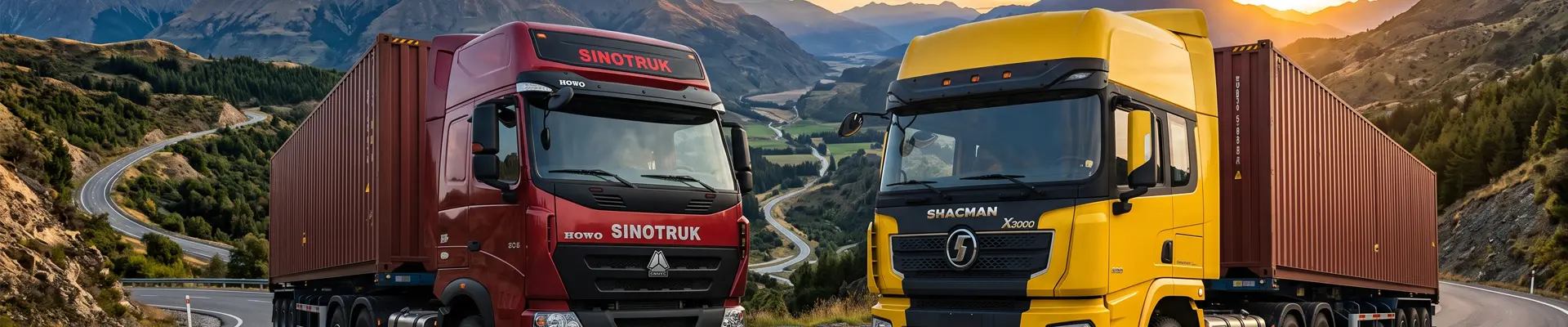
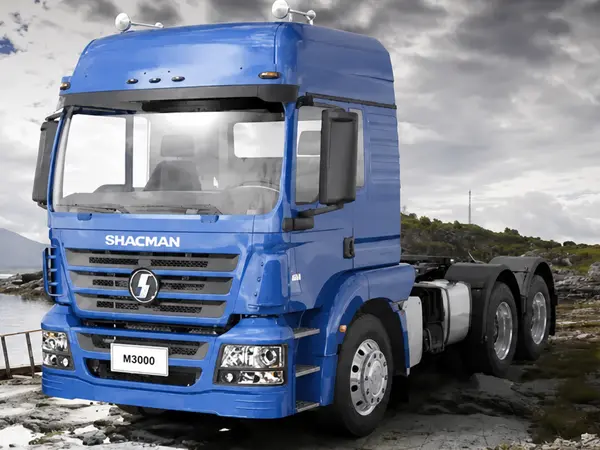
Skyond's Truck Belt lines are specifically engineered for heavy-duty trucks, particularly the Sinotruk HOWO and Shacman X3000 series. These belts are built to handle the high-torque output of large-displacement diesel engines, providing a guaranteed fit and lasting performance across rugged terrains and demanding industrial environments.
Available belt types We offer
Engine timing belts. Ensuring precise synchronisation between the crankshaft and camshaft.
Alternator belts: Delivering reliable power to the vehicle's electrical charging system.
AC compressor belts: Designed to handle the high torque demands of heavy-duty cooling units.
Multi-rib (serpentine) belts: A single, versatile belt solution that drives multiple engine accessories simultaneously.
Certifications
Skyond maintains rigorous quality management systems across all manufacturing operations.
ISO/TS 16949 Automotive Standards. Our products are manufactured in compliance with the highest international automotive industry quality standards, guaranteeing that every piece meets the rigorous durability requirements of global fleet operators and repair specialists.
GB/T Standards Compliance. Our products are tested in accordance with national standards for automotive V-ribbed belts, covering tensile strength, heat resistance, fatigue resistance, and other critical performance metrics.
100% Tension and Heat Testing. Every belt is subjected to rigorous tension and heat-resistance testing before shipment. Only belts that pass these tests are shipped to customers.
Why Choose Skyond?
1. Our long-term focus on the Sinotruk and Shacman markets allows us to provide accurate technical matching for various engine configurations. We understand the specific belt requirements for different engine models and applications.
2. With our own specialised production facility, we are capable of handling high-volume bulk orders efficiently, ensuring consistent stock availability for global distributors.
3. Every one is backed by a performance guarantee to ensure it lasts in the toughest working conditions. We stand behind every product we ship.
4. Our belts are used by fleet operators and repair shops across Africa, Russia, Southeast Asia, Central Asia, and South America, with a proven track record of reliability in diverse operating conditions.
FAQ
Q1: How often should the Truck Belt be replaced?
Replacement intervals vary by application, but we recommend inspection every 60,000 to 100,000 kilometres. Many heavy-duty OEMs recommend proactive replacement at 300,000 to 500,000 kilometres depending on operating conditions.
Q2: What happens if the the belt breaks while driving?
The water pump stops circulating coolant, causing rapid engine overheating. In severe cases, this can lead to piston seizure and complete engine failure. Additionally, the alternator stops charging the battery, and the AC compressor stops operating. For this reason, we recommend proactive replacement rather than waiting for visible failure.
Q3: How do I know if my Truck Belt needs replacement?
Signs include: visible cracks or fraying on the belt surface, glazed or shiny appearance on the ribbed side, squealing or chirping noise from the front of the engine, and reduced alternator output (dimming lights) or weak air conditioning performance.
Q4: Can I replace just the Truck Belt, or should I replace the tensioner too?
We recommend replacing both of them together when either component shows signs of wear. A worn tensioner can cause premature belt failure, and a worn belt can accelerate tensioner wear.
Q5: Does Skyond offer custom branding or packaging?
Yes. Skyond provides OEM customisation services including custom packaging and belt branding. Minimum quantities apply.