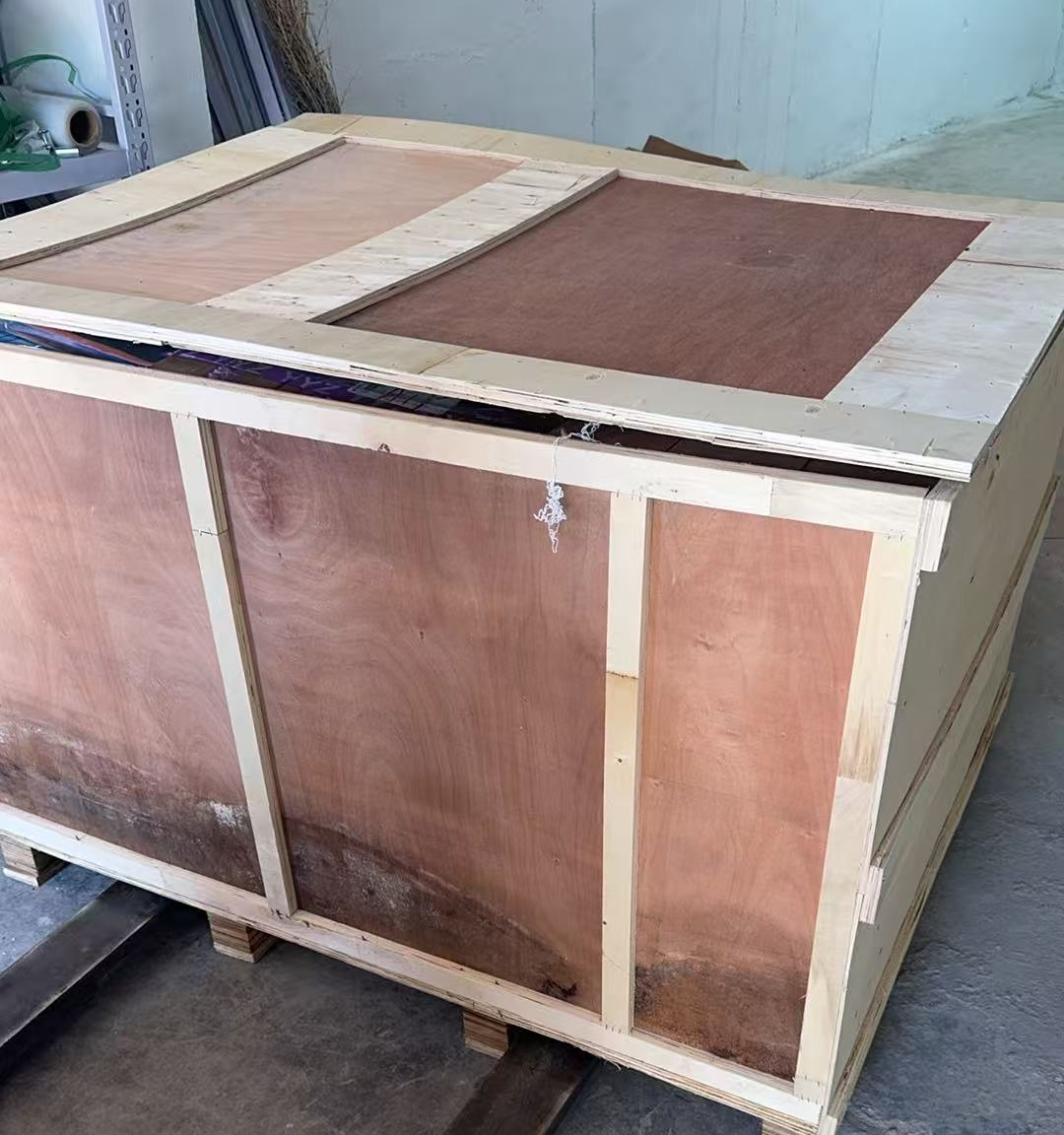
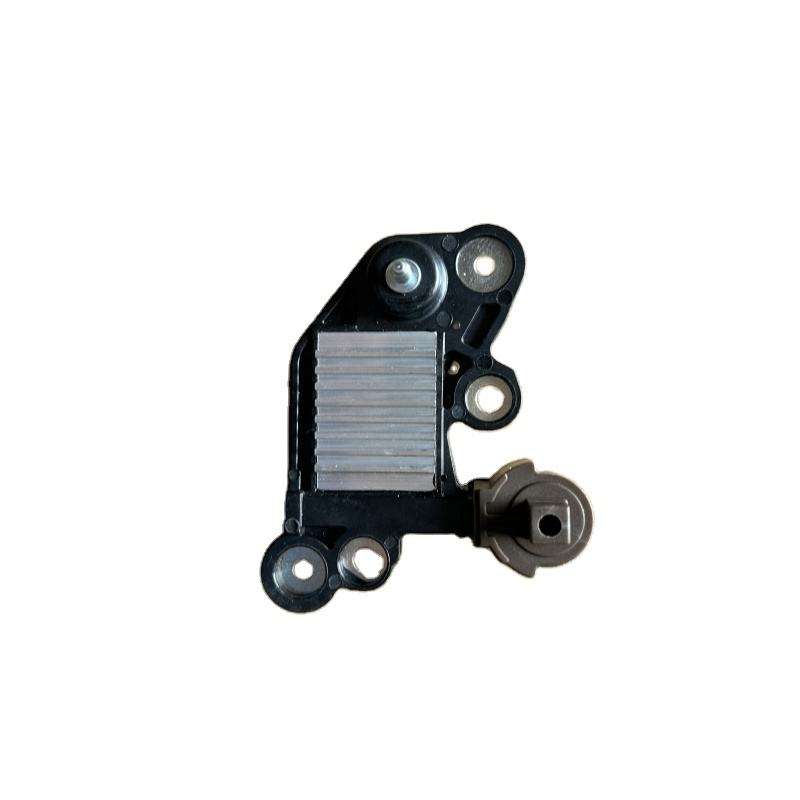
Skyond is a China supplier of
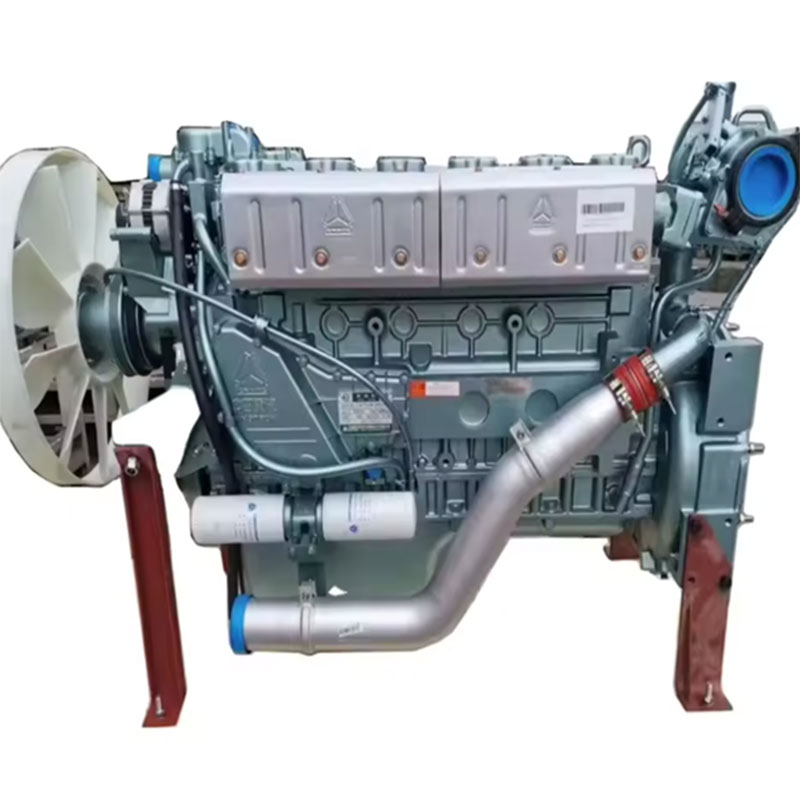
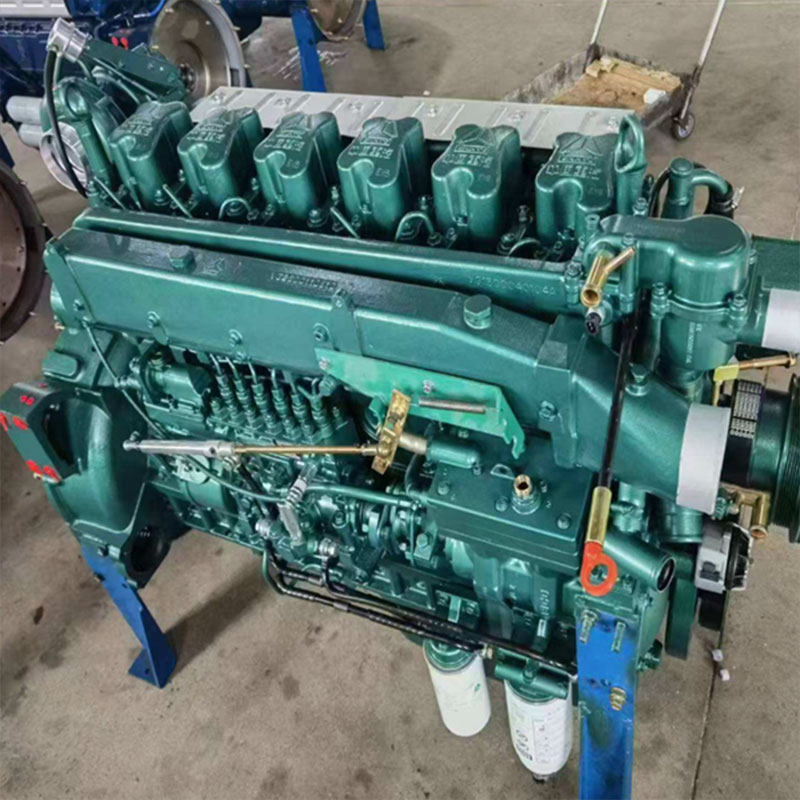
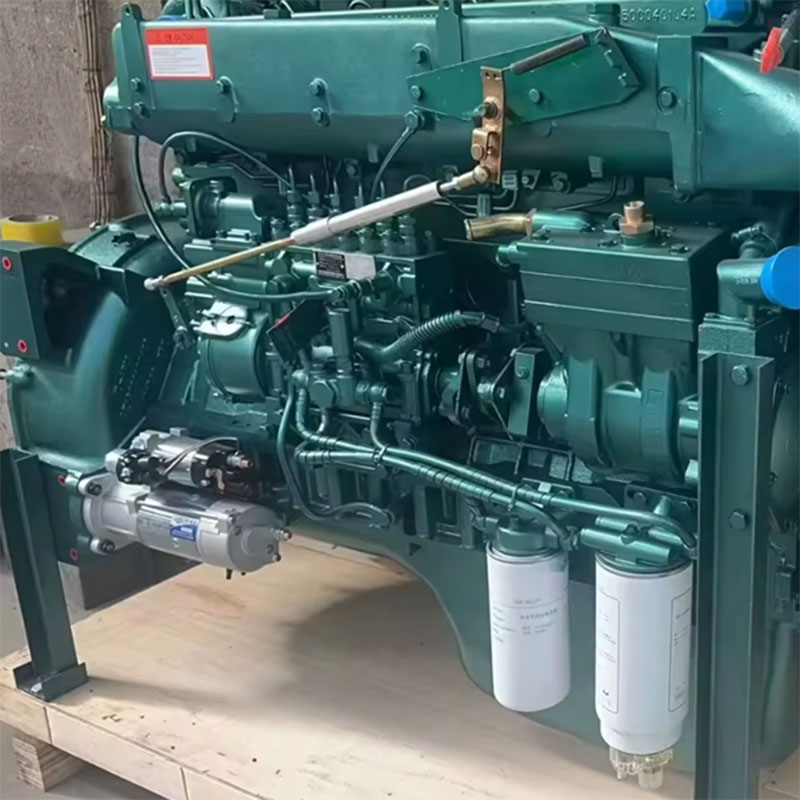
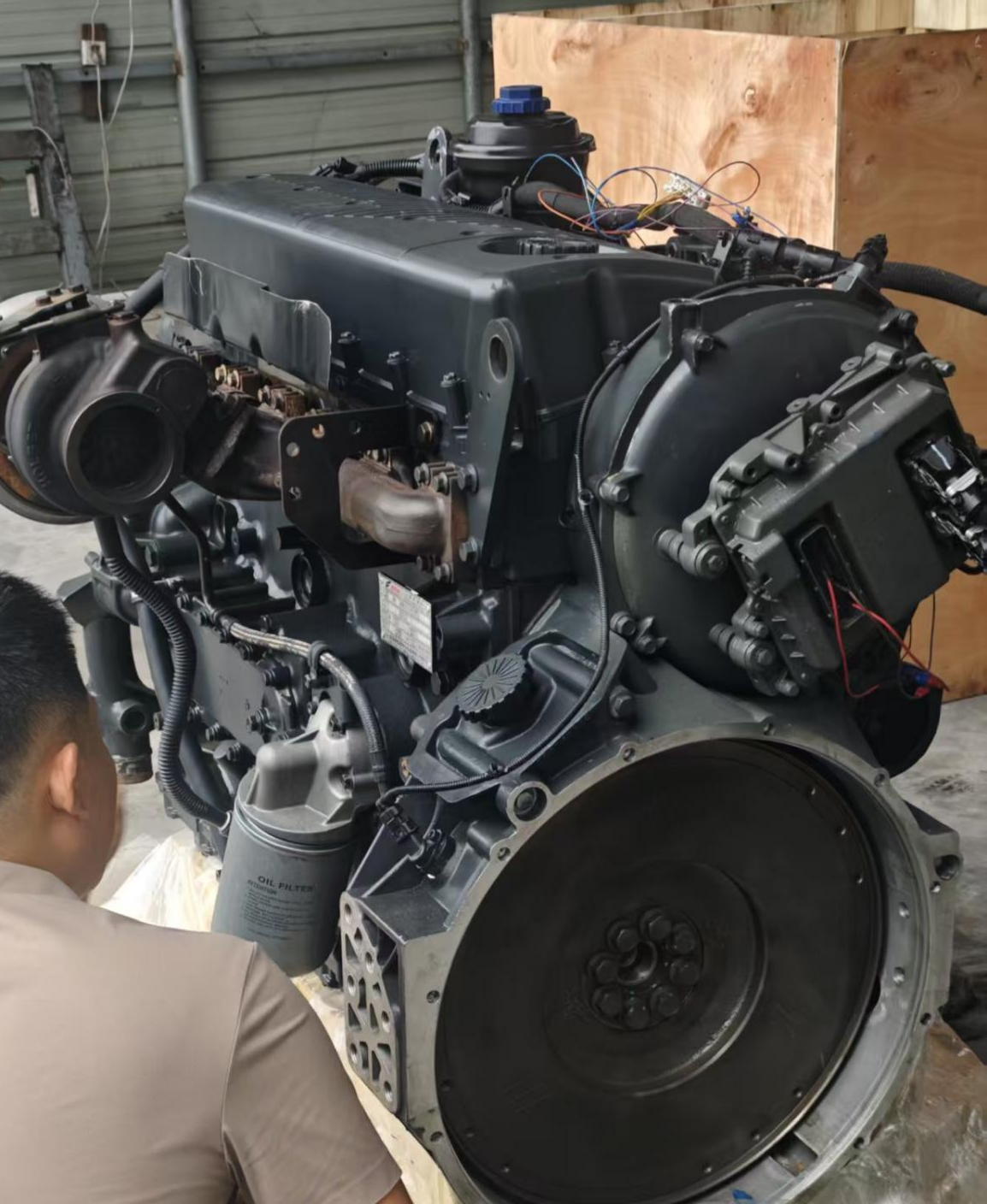
Truck Engine solutions for heavy-duty truck vehicles. Our Truck Engine product line covers multiple displacement and horsepower ratings, including both new and certified used units. We also supply complementary
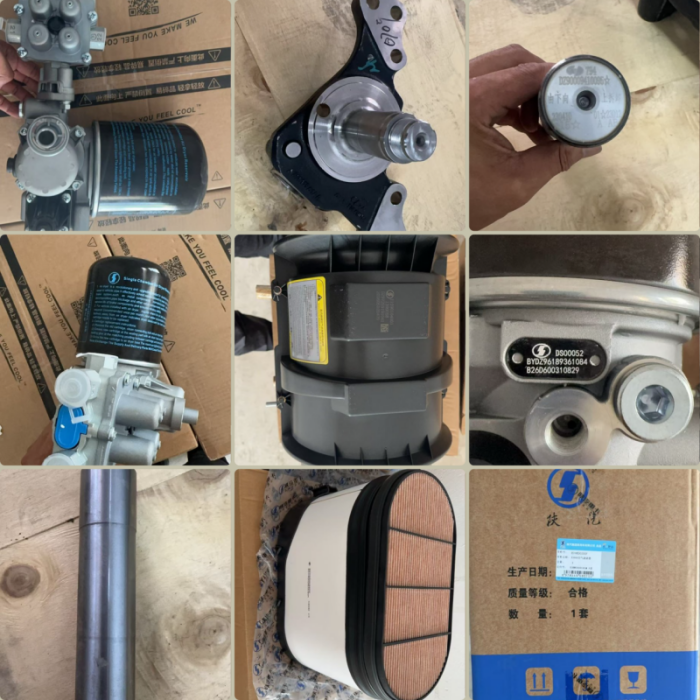
Engine Parts and
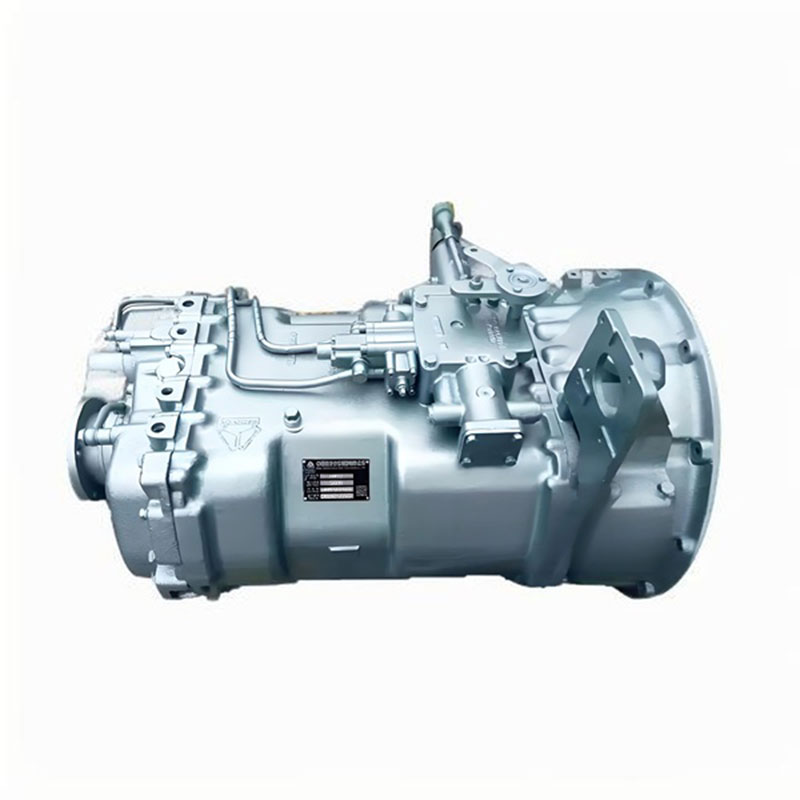
Gearbox components to support complete powertrain maintenance and rebuild requirements. Products are exported worldwide to Russia, Africa, Southeast Asia, Central Asia, and other global regions. All engines are assembled, tested, and verified in our own facility under IATF 16949 certified quality management, with precision machining lines, engine assembly workshops, and dedicated testing workshops ensuring consistent quality and performance.
We eliminate intermediary markups through factory-direct supply. Every Truck Engine we supply is tested for compression, oil pressure, and overall performance before shipment. Our quality systems are certified under ISO 9001:2000 and IATF 16949, guaranteeing that every unit meets international safety and durability standards. We also supply complementary items such as Truck Exhaust Pipe assemblies and complete gasket kits for full system integration.
Product Details
1. Superior Power and Reliability.
Skyond Truck Engine units are engineered to deliver high torque at low RPMs, providing the pulling power required for heavy-duty commercial vehicles. Each unit is calibrated to ensure stable operation under high-load conditions and extreme environmental temperatures.
2. Optimized Fuel Economy.
Advanced fuel injection technology and efficient combustion chamber designs help truck operators reduce operating costs. The optimized air-to-fuel ratio ensures peak performance while maintaining competitive fuel efficiency figures.
3. Long Service Life.
Reinforced cylinder blocks, high-precision internal components, and heat-treated parts are designed for longevity. Robust construction minimizes maintenance frequency and prevents premature failure during intensive construction or transport operations.
4. Reinforced Materials.
High-strength alloy steel and heat-treated components ensure durability under extreme mechanical stress, making our engines suitable for long-haul logistics, mining, and construction applications.
New & Used Engine Supply
Brand New Truck Engines. We provide factory-fresh engine assemblies offering the latest technology in emissions control and power output. These units come with full factory warranties and are the best choice for new vehicle builds or total fleet upgrades.
Certified Second-hand Engines. For cost-conscious operations, we supply high-quality used engines that have undergone thorough internal inspections and bench testing. Each second-hand unit is verified for compression and oil pressure to ensure it meets reliable working standards before export.
What Is a Truck Engine?
A Truck Engine is the core power source of a heavy-duty vehicle, converting fuel into mechanical energy to drive the wheels and power auxiliary systems such as the alternator, air compressor, and power steering pump. Modern Truck Engine units are typically turbocharged diesel engines designed for sustained high-load operation over long distances and in complex environments.
Application
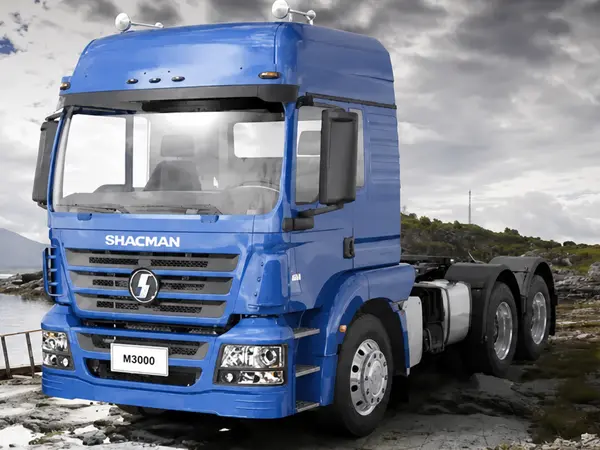
Our Truck Engine series is primarily applied in Sinotruk HOWO and Shacman heavy-duty trucks, providing the heart for vehicles used in mining, infrastructure projects, and international freight.
Engine Maintenance Intervals
Maintenance intervals vary by engine brand, model, and operating conditions. Below are general reference guidelines:
Engine oil. Standard filters recommended replacement every 15,000 km; extended-life filters every 30,000-60,000 km.
Oil filter. Replace together with engine oil at the same interval.
Fuel filter. Replace according to manufacturer schedule or every 20,000-30,000 km.
Air filter. Inspect or clean every 10,000 km; replace every 30,000-40,000 km or when resistance exceeds specification.
Coolant. Typically replace every 2-3 years or 40,000-60,000 km.
Valve clearance adjustment. Inspect and adjust according to manufacturer schedule — varies by engine model.
Engine Component Replacement Guidelines
Seals that must be replaced during overhaul. Cylinder head gaskets, front and rear crankshaft oil seals, oil pan gaskets, valve cover gaskets, and all O-rings. These sealing components degrade over time and should not be reused.
Injector matching required after replacement. For common rail systems, the new injector's QR code must be written to the ECU using diagnostic equipment. Failure to do so results in rough idle and increased fuel consumption.
Check valve clearance after major overhaul. Engine vibration and power loss are often caused by incorrect valve clearance. Adjust according to engine model-specific standards.
Replace associated components simultaneously. When replacing the water pump, check the thermostat at the same time. When replacing oil seals, check the crankshaft flange surface for wear.
Use OEM-recommended fluids and filters. Non-genuine filters can lead to lubrication system failure and premature engine wear.
Proper torque sequence and values. Critical bolts — cylinder head bolts, connecting rod bolts, and main bearing bolts — must be torqued with a calibrated wrench and tightened in the correct sequence, in steps, to the specified torque values.
Certification
To ensure global compliance and safety, our products and facilities maintain the following certifications:
ISO 9001:2000 Quality Management System. Our entire engine assembly and testing workflow is certified under international ISO standards, ensuring consistent quality and professional technical support.
IATF 16949 Automotive Standards. Every engine we supply, whether new or used, is verified against rigorous durability benchmarks, guaranteeing that it meets the safety and performance requirements of global transport markets.
Why Source from Skyond?
Factory-direct pricing with no intermediaries.
We eliminate middleman markups, offering competitive prices directly to wholesale partners.
Both new and certified used engines available.
We supply both factory-new units and thoroughly inspected second-hand engines, giving you the flexibility to choose based on your budget and application requirements.
Full testing before shipment.
Every Truck Engine undergoes compression and oil pressure testing before export, verified by our senior engineering team to ensure reliability.
Complete powertrain support.
Beyond complete engines, we supply Engine Parts, Gearbox components, and complementary systems for full vehicle coverage.
Technical support for parts matching.
Our team provides professional guidance to ensure accurate engine selection for your vehicle configuration.
FAQ
Q1: What is the difference between new and certified used engines?
New engines are factory-fresh with full warranties and the latest emissions technology. Certified used engines have been inspected, bench-tested, and verified for compression and oil pressure — they are a cost-effective alternative for budget-conscious operations.
Q2: Can I install a different engine model in my truck?
Engine swaps require matching mounts, bell housing patterns, ECM compatibility, and cooling system capacity. Consult our technical team for compatibility assessment before ordering.
Q3: What maintenance is required for a Truck Engine?
Regular oil and filter changes, fuel filter replacement, air filter cleaning/replacement, coolant checks, and periodic valve clearance adjustments. Refer to the engine manufacturer's service manual for specific intervals.
Q4: Do you supply complete gasket and seal kits?
Yes. We supply complete overhaul gasket kits including cylinder head gaskets, oil seals, O-rings, and all necessary sealing components for engine rebuilds.