The global commercial vehicle electrical components market is undergoing unprecedented transformation. The automotive electrical products market was valued at USD 18.35 billion in 2025 and is projected to reach USD 28.91 billion by 2032, reflecting a steady growth trajectory. Within this expanding landscape, Sinotruk (CNHTC) has emerged as the dominant force in China's heavy truck industry, with 2025 heavy truck exports exceeding 150,000 units—accounting for approximately half of China's total heavy truck exports for 21 consecutive years.
For procurement professionals, fleet managers, and aftermarket distributors, understanding the electrical parts ecosystem of Sinotruk vehicles is not merely a technical necessity—it is a strategic imperative. This white paper provides a comprehensive, data-driven analysis of Sinotruk electrical parts from the buyer's perspective, covering product categories, quality assurance frameworks, procurement strategies, and future industry trends.
The commercial vehicle wiring harness market alone was valued at US$15.7 billion in 2024 and continues to expand at a significant pace. The commercial vehicle low-voltage power distribution modules market reached US$1,799 million in 2025 and is anticipated to hit US$3,070 million by 2032. China's bus and truck wiring harness market is also on a strong upward trend, reflecting the broader industry shift.
These figures reflect a fundamental industry shift: modern heavy-duty trucks are no longer purely mechanical machines. They are sophisticated electromechanical systems where electrical components account for an increasing share of total vehicle value.
A typical heavy-duty truck contains 4 to 6 kilometers of wiring harnesses—a figure that increases substantially for premium and electric models. These harnesses, along with sensors, control modules, distribution boxes, and actuation components, form the vehicle's neural network. Electrical failures are among the most common and costly sources of downtime in fleet operations. A single intermittent electrical fault can disable critical systems—from engine management to braking—leading to hours or days of diagnostic time and lost revenue.
For procurement professionals, this means electrical parts sourcing decisions have an outsized impact on total cost of ownership (TCO). The lowest upfront price often translates to the highest long-term cost.
At Shandong Shengkunda Import and Export Trading Co., Ltd., Sinotruk's electrical parts ecosystem spans multiple vehicle platforms, including the HOWO series (the global best-seller), Sitrak C7H (the Sino-German joint venture premium line), and emerging new energy vehicle (NEV) platforms.
Power Generation and Starting Systems
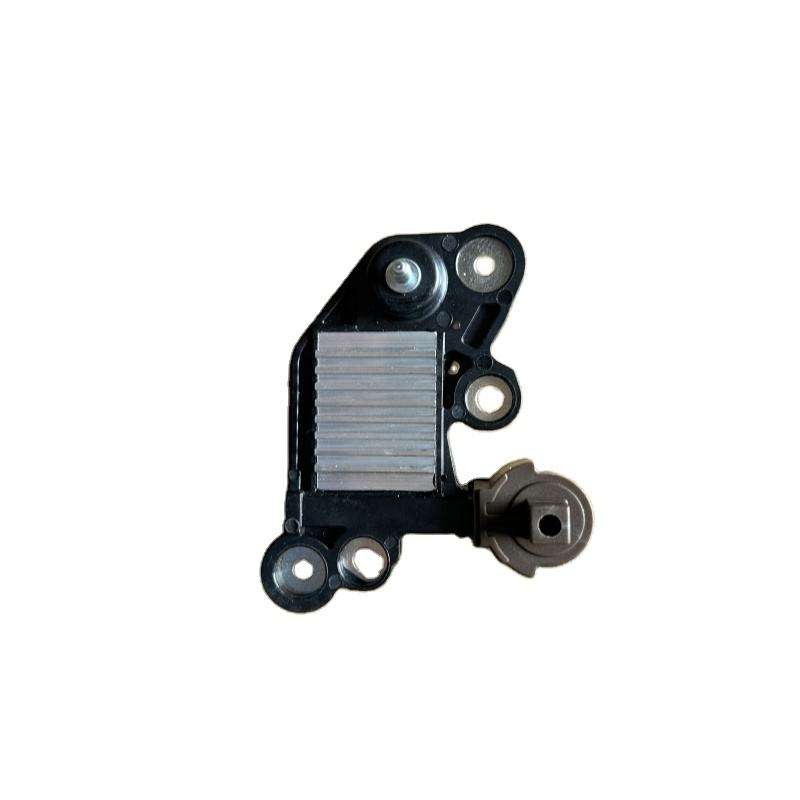
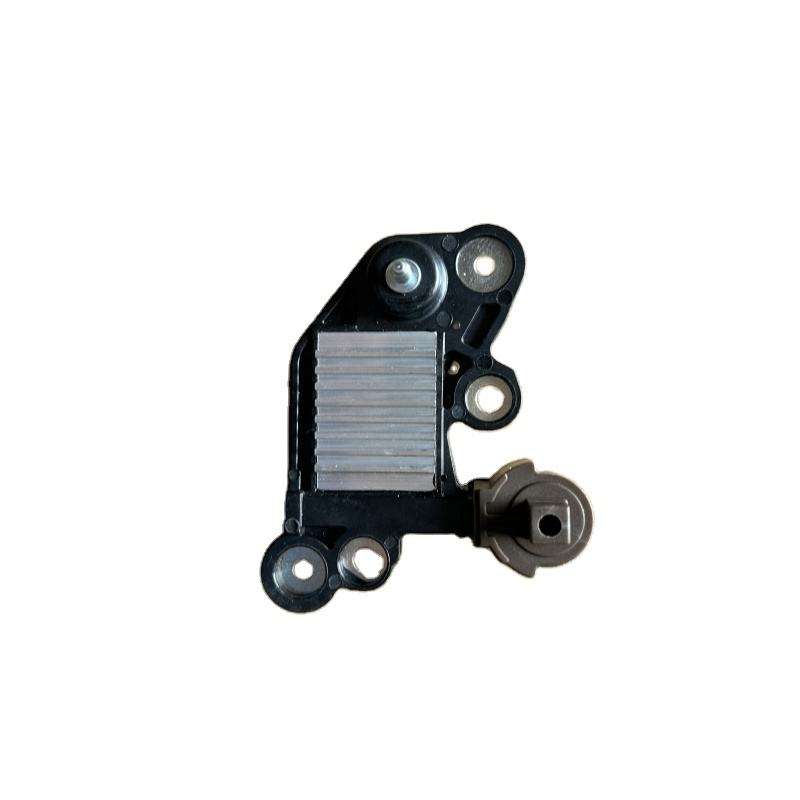
Starters (for D12 engines and other variants), alternators/generators, starter motor wiring assemblies, and maintenance-free batteries (180Ah upgraded versions available).
Power Distribution and Protection
Electrical junction boxes and mounting brackets, seven-circuit fuse box electrical assemblies, main power switches (mechanical and electronic), and high-voltage power distribution modules (PDU) for NEV applications.
Wiring Harnesses and Cable Management
Engine compartment harnesses, cabin wiring harnesses (G7 series), chassis wiring harnesses, ABS chassis wire harnesses, new energy control wiring harnesses, wire harness clamps and protective sleeves.
Control and Sensing Systems
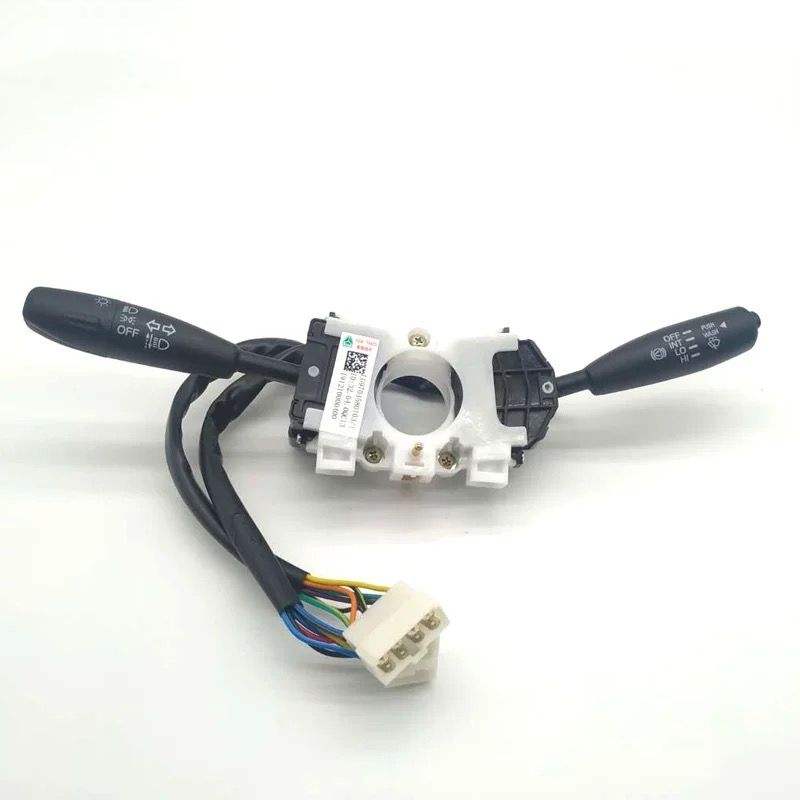
Engine control units (ECU) and installation boxes, water temperature sensors, pressure sensors, warning light systems and switches.
Cab Convenience and Lighting
Power window systems, headlights and LED lighting assemblies, reversing buzzers and safety alerts.
At SKYOND, Sinotruk's electrical parts are platform-specific. The HOWO series (A7, T7H, ZZ4257, ZZ3257) uses distinct part numbers from the Sitrak C7H series. Procurement professionals must verify compatibility through OEM part number cross-reference, model year identification (for example, pre-2020 versus Euro V models), and vehicle configuration (4×2, 6×4, 8×4 tractors, dump trucks, etc.).
Sinotruk electrical parts are available in three distinct quality tiers, each with different supply chain origins, quality controls, and warranty provisions.
Definition: Parts manufactured by Sinotruk's own facilities or by officially designated first-tier suppliers, bearing the Sinotruk OEM number and quality seal.
Definition: Parts manufactured by Sinotruk factory-approved suppliers, meeting original equipment specifications without the branded packaging.
Definition: Parts from trusted long-term partner plants not officially designated as Sinotruk suppliers, but with established quality track records.
The aftermarket channel is also where counterfeit and substandard parts most commonly appear. Industry fleet validation studies reveal a stark contrast: OEM lighting components demonstrated a failure rate below 1.2% over extended testing periods across hundreds of trucks, while aftermarket copies failed at significantly higher rates. This dramatic difference in failure rate translates directly to downtime, diagnostic costs, and replacement labor.
Generic aftermarket wiring harnesses, for example, often lack exact connector placements and wire lengths, requiring modifications that introduce new failure points. Aftermarket window regulators frequently use plastic cable pulleys that crack under stress, whereas genuine assemblies use steel-reinforced pulleys and triple-stranded cables.
Procurement professionals should verify the following certifications when evaluating Sinotruk electrical parts suppliers:
| Certification | Relevance | Verification Method |
|---|---|---|
| IATF 16949 | Automotive quality management system; required for OEM suppliers | Request certificate and verify through IATF database |
| ISO 9001 | General quality management | Request certificate |
| CE Marking | EU market compliance | Request declaration of conformity |
| RoHS | Restriction of hazardous substances | Request test reports |
| E-mark | Brake and lighting system compliance | Verify on component |
Beyond formal certifications, look for these Sinotruk-specific quality indicators:
Sinotruk electrical components undergo rigorous testing regimes:
Based on industry best practices, procurement professionals should evaluate Sinotruk electrical parts suppliers across four weighted dimensions:
Before placing volume orders, ensure the following:
An efficient sourcing strategy integrates supplier discovery, technical vetting, sample validation, and contract execution into a repeatable process:
MOQs vary by component type and supplier. Electrical connectors typically start at 100 pieces, while fasteners and small fittings may require 500–1,000 units. For custom or specialized components, MOQs may be higher. Always confirm MOQ before proceeding with negotiations.
Risk Mitigation: Procurement risks include non-compliance, inconsistent tolerances, and counterfeit components. Mitigation strategies:
The global commercial vehicle industry is rapidly electrifying. China's promotional policies target significant NEV heavy truck penetration by 2030, with thousands of heavy truck charging and swapping stations planned. Sinotruk has responded aggressively. New energy models feature self-developed motor and battery combinations, with comprehensive vehicle and charging ecosystem solutions. The company has completed specialized optimizations in three-electric protection, chassis structure, and range systems for diverse operating conditions including high-temperature and high-humidity environments, heavy-load climbing, mining operations, and cross-border long-haul routes.
The NEV transition introduces new electrical component categories and procurement considerations:
China's new energy commercial vehicles are transitioning from pure vehicle exports to a full-chain export model. This creates opportunities for Tier 2 suppliers to participate in global NEV parts supply chains. For procurement professionals, this means a growing ecosystem of qualified NEV electrical parts suppliers is emerging—but rigorous vetting remains essential.
The Sitrak C7H wire harness clamp illustrates Sinotruk's engineering standards:
This component, seemingly simple, embodies the quality philosophy that distinguishes genuine Sinotruk parts from generic alternatives. Generic clamps may use inferior materials, lack UV stabilization, fail to maintain clamping force over time, and lack traceability.
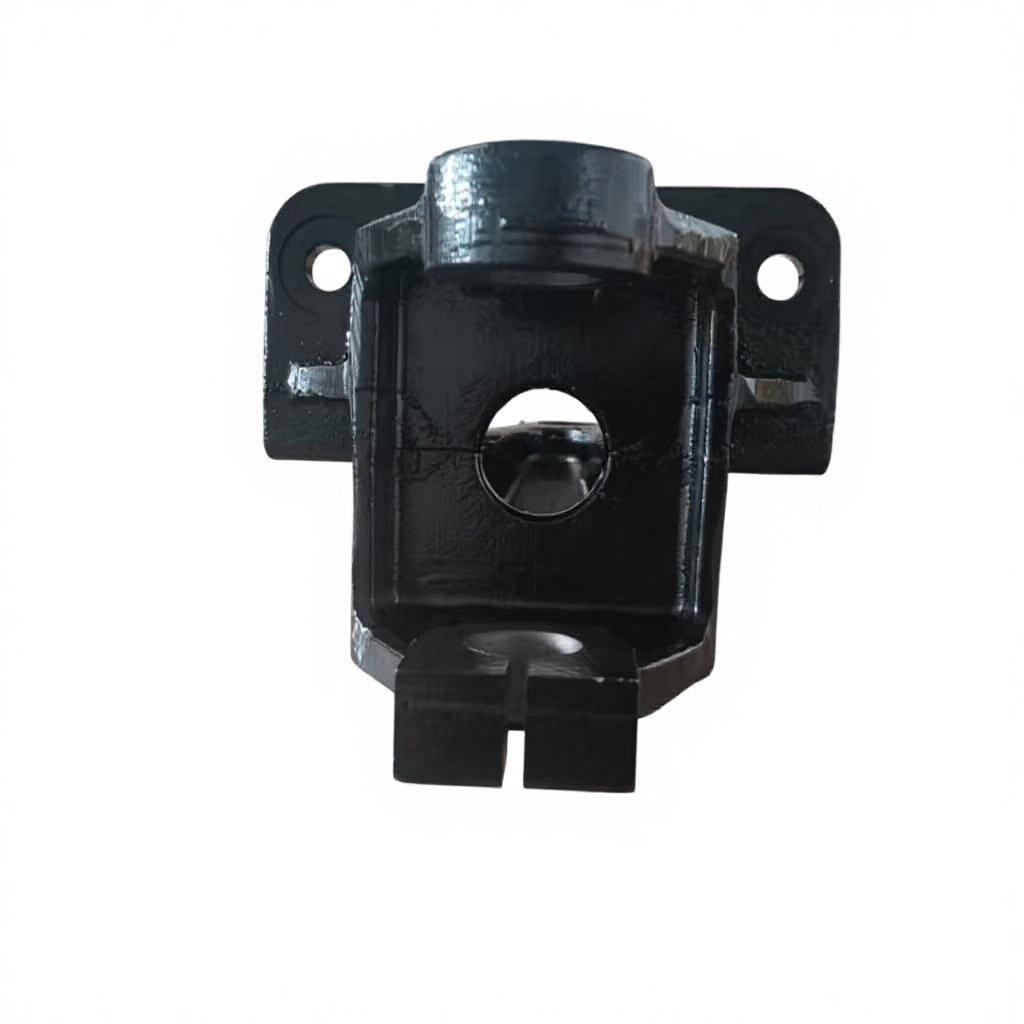
The left mounting bracket for the HOWO electrical junction box demonstrates the engineering rigor behind Sinotruk's structural electrical components:
A loose or damaged mounting bracket can allow vibration to loosen electrical connections, leading to intermittent faults or complete system failure. The reinforced ribs and precise bolt patterns eliminate movement.
For Fleet Operators:
For Aftermarket Distributors:
For All Buyers:
Sinotruk electrical parts from Shandong Shengkunda Import and Export Trading Co., Ltd. represent a critical procurement category for anyone operating, maintaining, or distributing Sinotruk heavy trucks. The complexity of modern vehicle electrical systems—with 4 to 6 kilometers of wiring, dozens of sensors and control modules, and increasingly sophisticated power distribution—demands a sophisticated approach to sourcing.
Understanding the three quality tiers (Genuine Original, OEM Quality, Aftermarket), verifying certifications (IATF 16949, ISO 9001, CE, RoHS), and implementing rigorous supplier evaluation processes are essential for procurement success.
The industry is rapidly evolving. Electrification, higher voltage architectures, and increasing electronic content are reshaping the electrical parts landscape. Procurement professionals who stay informed, verify quality rigorously, and build strategic supplier relationships will be best positioned to secure reliable, cost-effective supply chains for Sinotruk electrical parts.