Article Summary
The alternator voltage regulation system controls electrical output to maintain suitable charging conditions for the battery and vehicle electrical network. A malfunctioning regulator may contribute to overcharging, insufficient charging or unstable voltage. This article introduces its operating principles, common warning signs, inspection procedures, replacement considerations and purchasing recommendations related to Weichai WP-FDJ applications.
It also explains why checking the original equipment number, alternator configuration, electrical connections and rated specifications is essential before ordering a replacement.
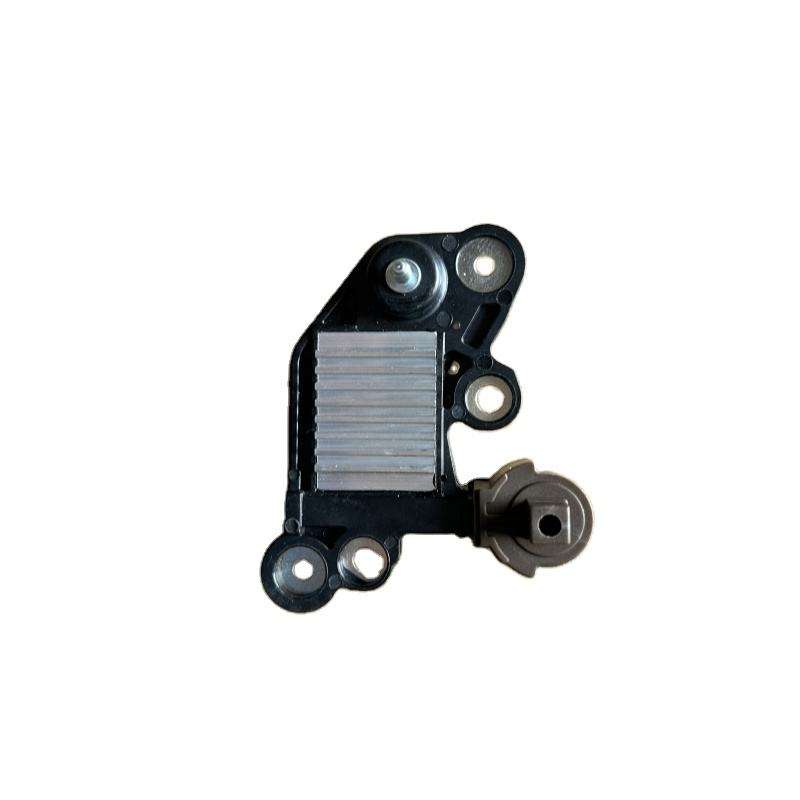
An alternator voltage regulator is an important component of an engine charging system. Its primary function is to control alternator output voltage by regulating the excitation current supplied to the alternator field winding. This helps maintain an appropriate electrical supply as engine speed, battery condition and electrical loads change.
For diesel engines used in commercial vehicles, industrial machinery and generator applications, reliable charging performance is particularly important. Batteries must receive sufficient charging power, while sensitive electrical equipment requires protection against excessive voltage fluctuations.
The reference number 612600090762 is associated with Weichai alternator applications in publicly available spare-parts listings. However, some parts catalogs identify this number as a complete alternator or generator assembly rather than an independent internal voltage regulator.
| Item | Reference Information |
|---|---|
| Product keyword | Weichai WP-FDJ Alternator Voltage Regulator |
| Reference number | 612600090762 |
| Related component | Alternator / Generator charging system |
| Primary function | Electrical voltage regulation |
| Typical application | Compatible Weichai diesel engine equipment |
| Compatibility verification | Original part number, alternator model and electrical specifications |
Identifying the exact component is the first step toward a successful repair. Purchasing based only on a keyword or a similar-looking product can result in connector mismatches, incorrect electrical ratings or unnecessary installation work.
An alternator converts mechanical energy from the running engine into electrical energy. The regulator helps control the electrical output so that the charging system can supply the required power without allowing voltage to rise or fall excessively.
When the diesel engine runs, its belt or drive mechanism rotates the alternator rotor. The rotor creates a magnetic field, which induces alternating current in the stator windings.
The alternator produces electrical energy as it rotates. A rectifier converts alternating current into direct current for battery charging and electrical system operation.
The voltage regulator monitors the charging system's electrical condition. When the measured voltage differs from its specified control range, the regulator adjusts the rotor excitation current to influence alternator output.
When electrical demand increases, the charging system may need to provide more output. When the battery is sufficiently charged or the voltage approaches its target, the regulator reduces excitation as necessary.
Stable electrical output supports dependable engine operation and helps protect equipment from charging-related problems. For businesses operating diesel-powered machinery, even a relatively small electrical fault can interrupt work schedules and increase maintenance costs.
Appropriate charging voltage helps prevent persistent overcharging and insufficient charging, both of which can shorten battery service life.
Controlled output helps reduce electrical stress on connected equipment and electronic components.
A properly maintained charging system helps keep the battery ready for subsequent engine starts.
Early detection of charging problems can prevent unexpected equipment interruptions and costly emergency repairs.
Diesel engines rarely operate under exactly the same conditions throughout the working day. Engine speed, temperature, electrical load and battery charge level can change continuously. The regulator helps the charging system respond to these changes.
For heavy-duty applications, consistent electrical performance is especially valuable because lighting, monitoring systems, control equipment and other electrical accessories may operate simultaneously.
A damaged voltage regulator may cause several noticeable charging abnormalities. However, these symptoms can also originate from a defective alternator, battery, wiring harness, grounding point or drive belt.
| Symptom | Possible Cause | Recommended Inspection |
|---|---|---|
| Battery repeatedly loses charge | Insufficient charging, regulator fault or alternator problem | Check charging voltage and alternator output |
| Excessively high charging voltage | Regulator malfunction or sensing circuit problem | Test voltage control and wiring |
| Dashboard charging warning light | Charging circuit fault or poor electrical connection | Inspect warning circuit and alternator terminals |
| Unstable electrical output | Loose wiring, poor grounding or regulator failure | Inspect connections and measure output under load |
| Battery overheating | Possible overcharging or battery internal fault | Check charging voltage and battery condition |
| Repeated battery replacement | Unresolved charging system issue | Perform a complete charging system diagnosis |
Continuing to operate equipment with an abnormal charging system can lead to battery deterioration, electrical component damage and unexpected shutdowns. If excessive voltage or overheating is detected, stop operation when safe and arrange a professional inspection.
A systematic inspection can help technicians identify whether the fault originates from the voltage regulator or another part of the charging system.
Check the battery terminals for corrosion, looseness and visible damage. Measure battery voltage with a suitable multimeter and compare the result with the battery manufacturer's specifications.
Check whether the drive belt has excessive wear, cracking or incorrect tension. Belt slippage can reduce alternator speed and cause insufficient charging.
Examine the alternator output terminal, regulator connector, battery cables and grounding points. Loose terminals and damaged wiring can create resistance and unstable charging performance.
Start the engine and measure voltage at the battery terminals under the operating conditions specified by the equipment manufacturer. Compare the readings at different engine speeds and electrical loads with the correct service manual specifications.
If the voltage remains outside the specified range, carry out further alternator and regulator testing. Depending on the alternator design, this may include checking the excitation circuit, rectifier, rotor, stator and voltage-sensing connections.
Selecting a suitable replacement requires more than matching the product name. Even components used in similar Weichai engine applications may have different electrical characteristics or installation configurations.
Start by checking the number printed on the existing alternator or regulator. Confirm whether 612600090762 refers to the complete alternator or the specific component you intend to replace.
Verify the rated voltage, current capacity, excitation arrangement and regulator control characteristics against the original equipment documentation. Do not assume that two visually similar parts have identical electrical performance.
Provide the engine model, equipment model, original alternator identification and existing component photographs to your supplier. These details make it easier to identify the correct replacement and reduce ordering errors.
Correct installation is essential for reliable charging performance. Even a compatible component may not work properly if the electrical connections are incorrect or the alternator has another underlying fault.
After installation, inspect all connections and make sure the component is securely fitted. Start the engine and check charging voltage at the specified engine speed and electrical load.
Observe the charging warning indicator and check for unusual noises, overheating or unstable electrical output. A successful installation should be verified through measurements rather than visual inspection alone.
Preventive maintenance can reduce the likelihood of electrical failures and help protect expensive engine components. The following practices are useful for vehicle fleets, generator operators and industrial equipment maintenance teams.
Corrosion and loose terminals can increase electrical resistance. Inspect connections periodically and repair damaged cables using approved procedures.
A worn or slipping belt can prevent the alternator from operating at the required speed. Check belt condition and tension during scheduled maintenance.
Dust, oil, moisture and excessive operating temperatures can affect electrical components. Keep the alternator area clean and follow the equipment manufacturer's protection and maintenance recommendations.
Test battery condition regularly, particularly in equipment exposed to frequent starting, long idle periods or heavy electrical loads.
Maintaining inspection records helps technicians identify gradual changes in charging performance before they become serious failures.
| Maintenance Item | Inspection Focus | Expected Benefit |
|---|---|---|
| Battery | Voltage, condition and terminal cleanliness | Reliable starting and charging |
| Alternator belt | Wear, tension and slippage | Consistent mechanical drive |
| Electrical wiring | Insulation, connectors and grounding | Reduced electrical resistance |
| Alternator | Output, noise and temperature | Early fault identification |
| Voltage regulation | Charging voltage under operating conditions | Improved electrical stability |
For wholesalers, importers, repair workshops and industrial spare-parts distributors, choosing a reliable supplier is just as important as identifying the correct component. An unsuitable replacement can create additional costs through returns, equipment downtime and repeated maintenance.
Ask the supplier to confirm the product description, OE reference, applicable alternator models and any available cross-reference information. Clear identification is particularly important when purchasing multiple related electrical components.
Request available product photographs, packaging information, inspection records and technical specifications. For larger orders, discuss quality inspection arrangements and the applicable acceptance requirements before production or shipment.
Different buyers have different procurement requirements. A repair workshop may need a small quantity for urgent maintenance, while a distributor may require regular replenishment and consolidated shipments. Discuss minimum order quantities, stock availability and lead times in advance.
Electrical spare parts should be packed to protect connectors, terminals and sensitive components from impact, moisture and contamination during transportation. International buyers should also confirm shipping arrangements, export documentation and delivery expectations.
Shandong Shengkunda Import and Export Trading Co., Ltd. provides an export-oriented purchasing channel for international customers sourcing industrial and engine-related spare parts. When requesting a quotation, buyers can provide their required part number, engine model, quantity and product photographs to support accurate product identification.
Clear communication before ordering helps both parties confirm product requirements, reduce specification misunderstandings and improve the efficiency of international procurement.
The voltage regulator controls alternator output by adjusting field excitation. Its purpose is to maintain suitable charging voltage for the battery and connected electrical equipment under changing operating conditions.
Publicly available parts listings associate 612600090762 with an alternator or generator assembly. Because product descriptions can differ between sellers, buyers should verify the original component label and official equipment parts documentation before ordering an internal regulator.
Possible causes include excessive heat, electrical surges, moisture, contamination, vibration, poor grounding and aging electronic components. However, charging abnormalities can also originate from other alternator or battery system faults.
Yes. A regulator that allows persistent overcharging or insufficient charging can contribute to premature battery deterioration. Abnormal charging voltage should be investigated promptly.
Begin by testing the battery, belt, wiring and grounding connections. Then measure charging voltage and carry out the alternator manufacturer's recommended tests. A qualified technician can determine whether the fault is in the regulator, rectifier, rotor, stator or another component.
An aftermarket replacement may be suitable if its electrical specifications, terminal arrangement, mounting design and compatibility are confirmed. Appearance alone is not sufficient to establish interchangeability.
Provide the OE number, engine model, alternator identification, equipment application, required quantity and clear photographs of the existing component. These details help the supplier verify the requested product.
Regularly checking battery condition, belt tension, electrical connections, grounding and charging voltage helps identify developing problems early and reduces the risk of unexpected equipment downtime.
The Weichai WP-FDJ Alternator Voltage Regulator 612600090762 is a useful search reference for buyers investigating Weichai charging system replacement parts. Understanding the regulator's role, recognizing common charging symptoms and following a systematic diagnostic process can help maintenance professionals make better repair decisions.
Most importantly, confirm whether 612600090762 identifies the complete alternator or a separate regulator before purchasing. Matching the original equipment number, electrical specifications and installation configuration is essential for reliable replacement and long-term performance.
For international distributors, workshops and equipment operators, working with a supplier that can assist with product identification and order coordination helps make spare-parts procurement more efficient.
Need help sourcing the Weichai WP-FDJ Alternator Voltage Regulator 612600090762 or other diesel engine spare parts? Shandong Shengkunda Import and Export Trading Co., Ltd. welcomes inquiries from international distributors, wholesalers and industrial equipment buyers.
Send us your part number, engine model, required quantity and product photos. Our team can help you check the product requirements and discuss a suitable supply solution.
Contact UsPlease replace the sample email address with your company's actual sales contact before publishing.
-